

In 2026, blog to reel repurposing is no longer optional — it’s essential for getting attention.
Creating content isn’t the hard part anymore. Getting people to actually see it is.
You can write a powerful 1500-word blog post filled with insights and value…
But if it only lives on your website, most people will never discover it.
That’s why smart creators are focusing on blog to reel repurposing as a core content strategy.
Instead of constantly creating new content, they:
- Reuse existing blog posts
- Transform them into short-form videos
- Reach wider audiences without extra effort
But there’s a catch…
Most repurposed content loses clarity, emotion, and meaning.
This guide will show you how to turn blogs into Reels without losing your story, voice, or impact.

What Is Blog to Reel Repurposing?
Blog to reel repurposing means converting long-form written content into short, engaging video content while preserving the core message.
Blog to Reel Repurposing vs Reposting
- Reposting: Same content, same format
- Blog to reel repurposing: Same idea, different format
You’re not copying — you’re translating your content into a new experience.
Why Blog to Reel Repurposing Is Essential in 2026
Attention spans are shrinking, and short-form video dominates platforms like:
- TikTok
- YouTube Shorts
Benefits of Blog to Reel Repurposing
- Reach audiences who don’t read blogs
- Increase engagement through video
- Boost brand visibility
- Drive traffic back to your website
Your blog provides depth, while Reels provide reach.
The Biggest Mistake in Blog to Reel Repurposing
Most creators try to compress an entire blog into one Reel.
That approach fails.
Why This Doesn’t Work
Blogs and Reels serve different purposes:
- Blogs → Detailed, structured, informative
- Reels → Fast, emotional, engaging
Trying to fit everything into 30 seconds leads to:
- Confusion
- Weak engagement
- Lost message
Start Blog to Reel Repurposing With the Core Story
Before creating any Reel, identify:
What is the main idea of your blog?
How to Find the Core Message
Ask yourself:
- What problem does this blog solve?
- What is the main takeaway?
- What should the audience remember?
Example:
Blog topic: Simple writing is powerful
Core message:
“Clear content builds trust faster than complex content.”
That’s your Reel foundation.
Blog to Reel Repurposing Framework (Step-by-Step)
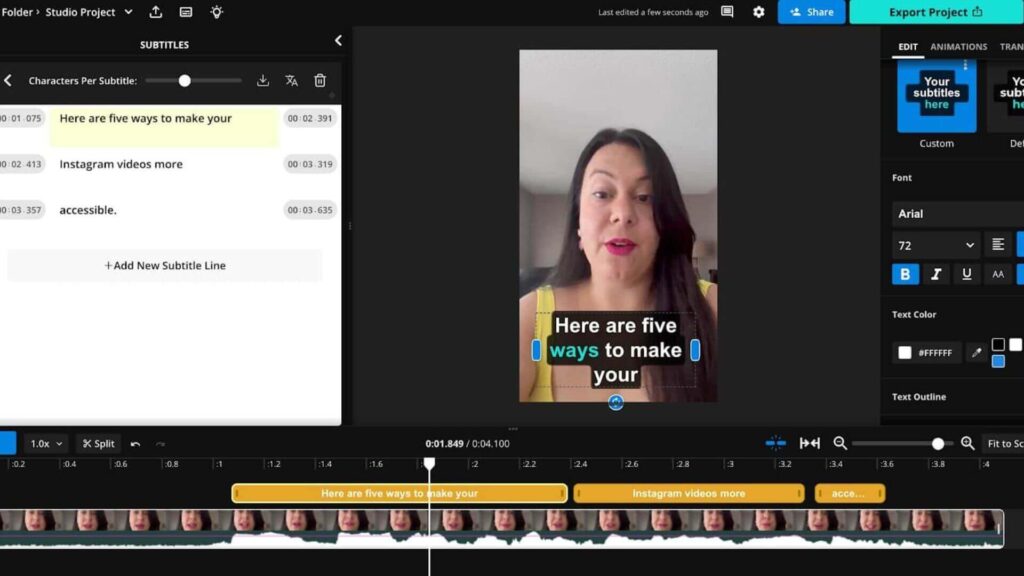
Use this simple structure to keep your story intact:
1. Hook (First 3 Seconds)
Examples:
- “Most content fails for one reason…”
- “You’re overcomplicating your content.”
Your hook should:
- Stop scrolling
- Trigger curiosity
- Be clear and bold
2. Core Message
Focus on one idea only.
Example:
“Simple content performs better because it’s easier to understand.”
3. Context or Insight
Add a quick explanation:
“If people have to think too hard, they leave. If it’s simple, they stay.”
4. Call to Action
Guide your audience:
- “Read the full blog”
- “Follow for more tips”
- “Save this Reel”
How to Break One Blog Into Multiple Reels
One blog = multiple content opportunities.
Blog to Reel Repurposing Content Ideas
From one post, you can create:
- Hook-based Reel
- Educational tip Reel
- Quote Reel
- Myth vs reality Reel
- Summary Reel
Example:
Blog: Brand voice matters
Reels:
- “Why most content feels robotic”
- “Human tone beats perfect writing”
- “Stop sounding like AI”
Keep Your Brand Voice Consistent in Blog to Reel Repurposing

One major mistake is losing your voice during repurposing.
Match Tone Across Formats
If your blog is:
- Simple → Keep videos simple
- Educational → Deliver clear value
- Bold → Speak confidently
Consistency builds trust.
What to Keep and What to Remove
Keep
- Core idea
- Emotional angle
- Key takeaway
Remove
- Long explanations
- Complex structure
- Extra details
Think of Reels as:
“Highlights, not the full story”
Visual Storytelling in Blog to Reel Repurposing
Reels are not just spoken content — they are visual experiences.
Add Visual Elements
- Subtitles
- On-screen text
- Transitions
- Expressions and gestures
Example:
Instead of saying:
“Content feels robotic”
Show robotic tone vs natural tone
This increases engagement instantly
Script Writing for Blog to Reel Repurposing
You don’t need long scripts.
Simple Script Formula
- Hook
- Message
- Context
- CTA
Keep it:
- Short
- Natural
- Conversational
SEO Benefits of Blog to Reel Repurposing
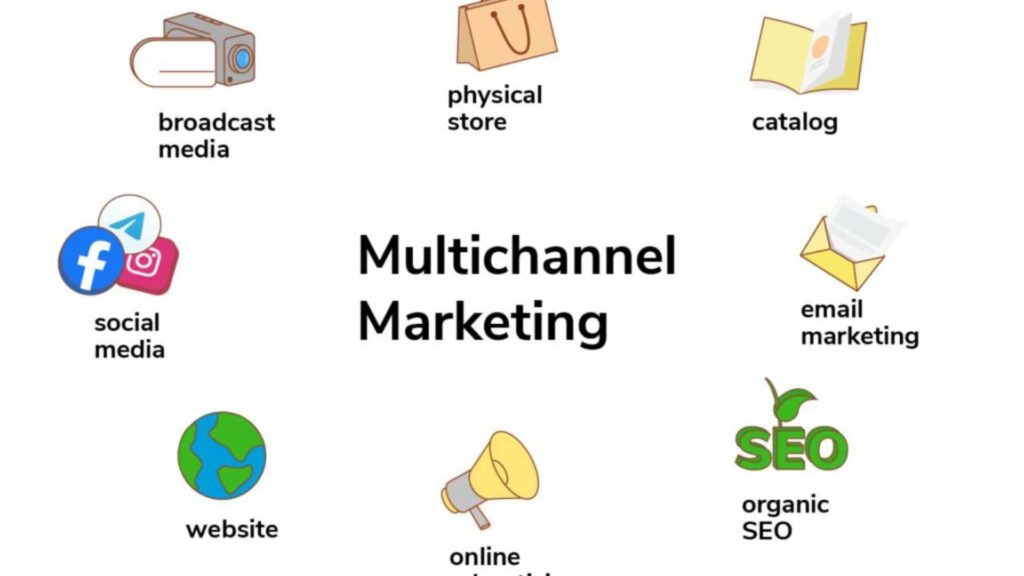
Repurposing helps your SEO strategy by:
SEO Advantages
- Driving traffic to your blog
- Increasing dwell time
- Building authority
- Expanding content reach
Search engines reward multi-format content ecosystems.
Common Mistakes in Blog to Reel Repurposing
1. Saying Too Much
Focus on one idea per Reel
2. Weak Hook
First 3 seconds decide everything
3. Losing Meaning
Short doesn’t mean shallow
4. Copy-Paste Content
Adapt instead of repeating
5. Inconsistent Branding
Stay aligned across platforms
Tools for Blog to Reel Repurposing
Simple Workflow for Blog to Reel Repurposing
Step-by-Step Process
- Write a high-quality blog
- Extract key ideas
- Turn ideas into short scripts
- Record multiple Reels
- Edit and publish consistently
Real Example of Blog to Reel Repurposing
Blog Idea:
Simple content works better
Reel Version:
Hook:
“Complicated content is killing your reach.”
Message:
“People prefer clarity over complexity.”
Context:
“Easy content keeps people engaged longer.”
CTA:
“Follow for simple content tips.”
The Future of Blog to Reel Repurposing
Content is no longer single-format.
To grow in 2026, you must:
- Adapt content across platforms
- Stay consistent in messaging
- Focus on clarity and engagement
Conclusion
Blog to reel repurposing is not about shrinking content — it’s about transforming it.
When done right, you:
- Save time
- Reach more people
- Strengthen your brand
- Keep your message alive
Your blog builds depth.
Your Reels create visibility.
Together, they create a powerful content strategy.
