

In 2026, content hub is no longer written just for people — it’s also interpreted by AI systems.
Search engines, AI assistants, and recommendation algorithms now decide:
- What content gets seen
- What ranks on Google
- What gets recommended
This means one thing:
Your content must be clear enough for humans and structured enough for AI.
That’s where a content hub becomes essential.
A well-built content hub helps:
- Users find information easily
- Search engines understand your authority
- AI systems connect your ideas accurately
In this guide, you’ll learn how to build a content hub that works for both humans and AI — without sacrificing readability or SEO performance.
What Is a Content Hub?
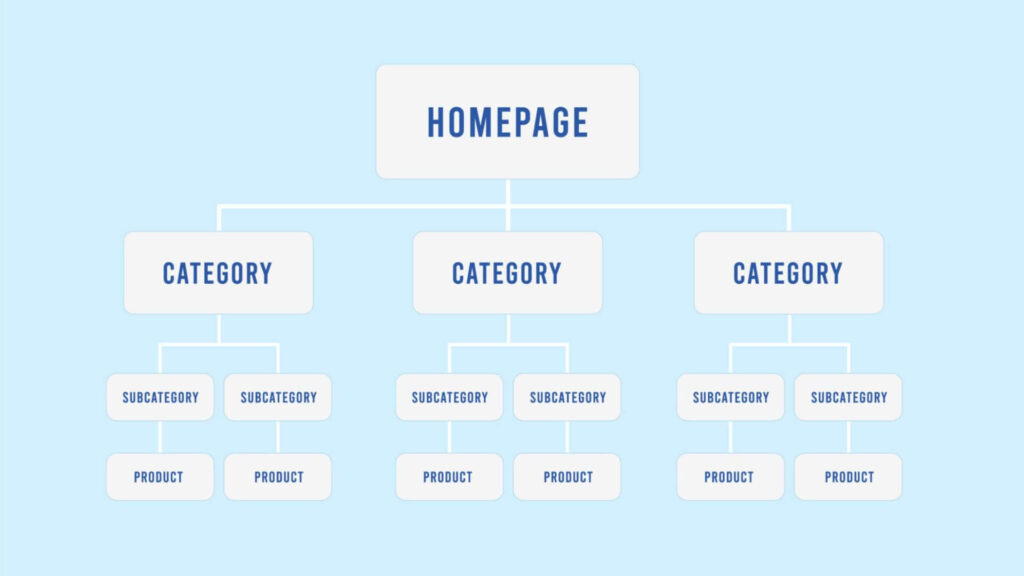
A content hub is a centralized structure where all your related content is organized around one main topic.
Instead of random blog posts, you create a connected ecosystem.
Content Hub Structure
A typical content hub includes:
- Pillar Page: Main topic (broad, detailed guide)
- Cluster Content: Supporting blog posts (focused topics)
- Internal Links: Connections between pages
Example:
Pillar: Content Marketing Guide
Clusters:
- SEO basics
- Keyword research
- Content writing
- Content repurposing
This structure helps both:
- Humans → Navigate easily
- AI → Understand relationships
Why Content Hubs Matter for AI and SEO
Search engines no longer rank individual pages only — they evaluate topic authority.
Benefits of Content Hubs
- Improve keyword rankings
- Increase time on site
- Strengthen topical authority
- Help AI understand context
AI doesn’t just read words — it reads relationships between content.

Start With a Clear Topic (Pillar Strategy)
Your content hub begins with one strong topic.
How to Choose the Right Topic
Pick a topic that is:
- Broad enough for multiple articles
- Relevant to your audience
- Valuable for long-term SEO
Examples:
- Digital marketing
- Blogging
- E-commerce
- Content strategy
Build Topic Clusters Around Your Pillar
Once you have a pillar, create supporting content.
What Are Topic Clusters?
Cluster content focuses on specific subtopics.
Example:
Pillar: Content Writing
Clusters:
- How to write SEO blogs
- Writing headlines
- Content readability
- Blog formatting
Each cluster links back to the pillar.
Use Internal Linking to Connect Everything
Internal links are the backbone of a content hub.
Why Internal Linking Matters
- Helps users navigate
- Distributes SEO value
- Signals relationships to AI
Best Practices
- Link from cluster → pillar
- Link between related clusters
- Use descriptive anchor text
Example:
“Learn more in our complete content writing guide”
Structure Content for AI Understanding
AI prefers content that is:
- Organized
- Clear
- Structured
Use Proper Formatting
- H1 for title
- H2 for main sections
- H3 for subtopics
- Bullet points for clarity
Keep Language Simple
Avoid:
- Complex sentences
- Unnecessary jargon
Simple content is easier for both:
Humans
AI systems

Optimize Content for Human Experience
Don’t over-optimize for AI and forget people.
Focus on Readability
- Short paragraphs
- Clear sentences
- Logical flow
Add Engagement Elements
- Examples
- Questions
- Visuals
Good UX = better SEO.
Create Consistent Content Patterns
Consistency helps AI recognize your structure.
Standardize Your Blog Format
Each post should include:
- Introduction
- Clear headings
- Key takeaways
- Conclusion
This improves:
- User experience
- Crawlability
Use Keywords Strategically (Not Excessively)
Keywords still matter — but context matters more.
Smart Keyword Placement
Include keywords in:
- Title
- Headings
- First paragraph
- Meta description
But avoid keyword stuffing.
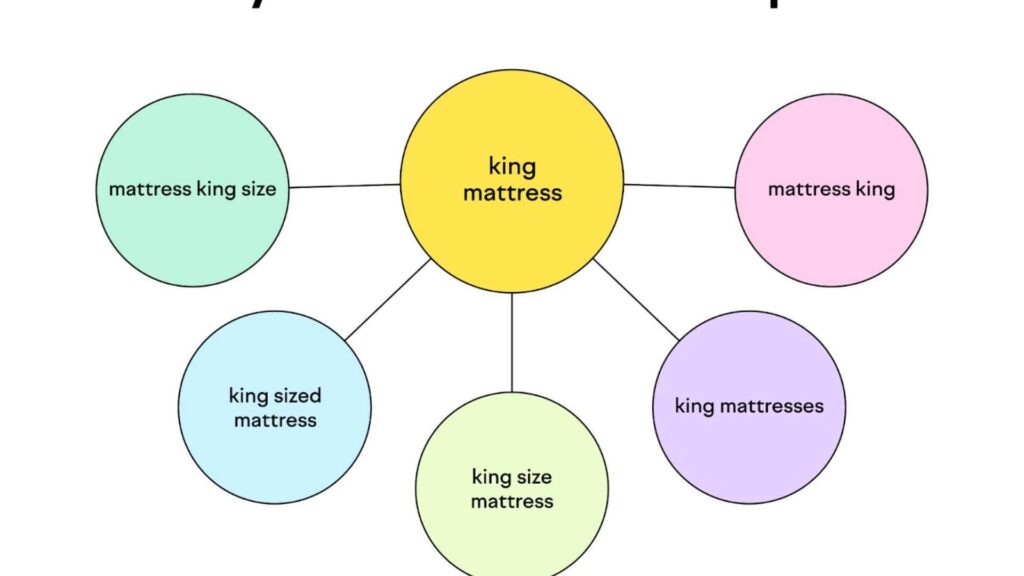
Add Context With Semantic SEO
AI understands meaning, not just words.
Use Related Terms
Instead of repeating one keyword:
- Use variations
- Add related phrases
Example:
- Content hub
- Topic cluster
- SEO structure
- Internal linking
This improves understanding.
Track and Improve Your Content Hub
Building a hub is not a one-time task.
Monitor Performance
Track:
- Traffic
- Rankings
- Engagement
Update Regularly
- Add new cluster content
- Improve existing posts
- Fix broken links
Common Mistakes to Avoid
1. Random Content Creation
No structure = no authority
2. Weak Internal Linking
Disconnected content confuses AI
3. Overcomplicated Writing
Hard content reduces engagement
4. Ignoring User Experience
SEO alone isn’t enough
Tools to Build a Content Hub
- Ahrefs – keyword research
- Google Search Console – performance tracking
- Notion – content planning
- WordPress – content management
The Future of Content Hubs
AI is evolving fast.
In the future:
- Content will be more interconnected
- Search will be more conversational
- Structure will matter more than ever
Conclusion
A content hub is not just an SEO tactic — it’s a content strategy system.
When done right, it helps:
- Users find answers faster
- AI understand your authority
- Your brand grow consistently
The key is balance:
Structure for AI
Simplicity for humans
Build both — and your content will perform better everywhere.
