

AI tools for social media marketing are transforming how businesses create content, engage audiences, and grow online in 2026. From content writing and graphic design to video editing and performance tracking, artificial intelligence is helping brands across the United States save time, improve efficiency, and scale faster. But with hundreds of tools available, choosing the right platform—and avoiding the wrong ones—can directly impact your social media success.
But there’s a catch.
Not every AI tool is worth your time. Some tools can improve your workflow, increase engagement, and help you scale content production. Others can damage your brand voice, create low-quality content, or even trigger platform penalties.
So how do you know which AI tools to trust?
In this guide, you’ll discover the best AI tools for social media marketing, what to use, what to avoid, and how smart marketers in the United States are using AI to stay ahead in 2026.
Why AI Matters in Social Media Marketing
Social media marketing has become more competitive than ever. Platforms like Instagram, TikTok, LinkedIn, YouTube, Facebook, and X demand consistent, high-quality content.
According to HubSpot, marketers who use AI save significant time on content creation, audience analysis, and campaign optimization.
AI can help with:
- Content writing
- Caption generation
- Graphic design
- Video editing
- Hashtag research
- Audience targeting
- Competitor analysis
- Performance tracking
- Social listening
- Customer engagement
The real advantage isn’t replacing marketers.
It’s helping marketers work faster and smarter.
Best AI Tools for Social Media Marketing
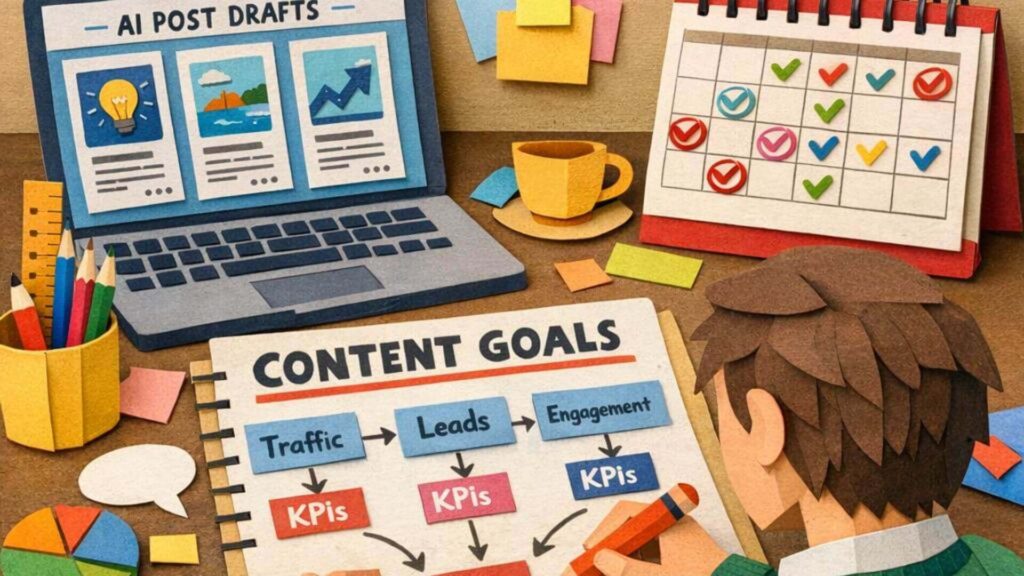
1. ChatGPT by OpenAI for Content Creation
When it comes to content ideation and copywriting, ChatGPT remains one of the strongest AI tools available.
Best for:
- Social media captions
- Content calendars
- Hook writing
- Ad copy
- Video scripts
- Blog-to-social repurposing
- Audience research
Why marketers love it
Instead of staring at a blank page, marketers can generate:
- 30 Instagram captions in minutes
- TikTok hooks
- LinkedIn thought leadership posts
- Facebook ad copy
- YouTube video descriptions
Pro Tip
Don’t copy-paste raw AI content.
Always edit for:
- Brand voice
- Personality
- Regional language
- Customer pain points
What to avoid
Avoid generic prompts like:
“Write me a caption.”
Use strategic prompts like:
“Write a high-converting Instagram caption for a fitness coach targeting women ages 25–40 in the USA.”
2. Canva AI for Graphic Design
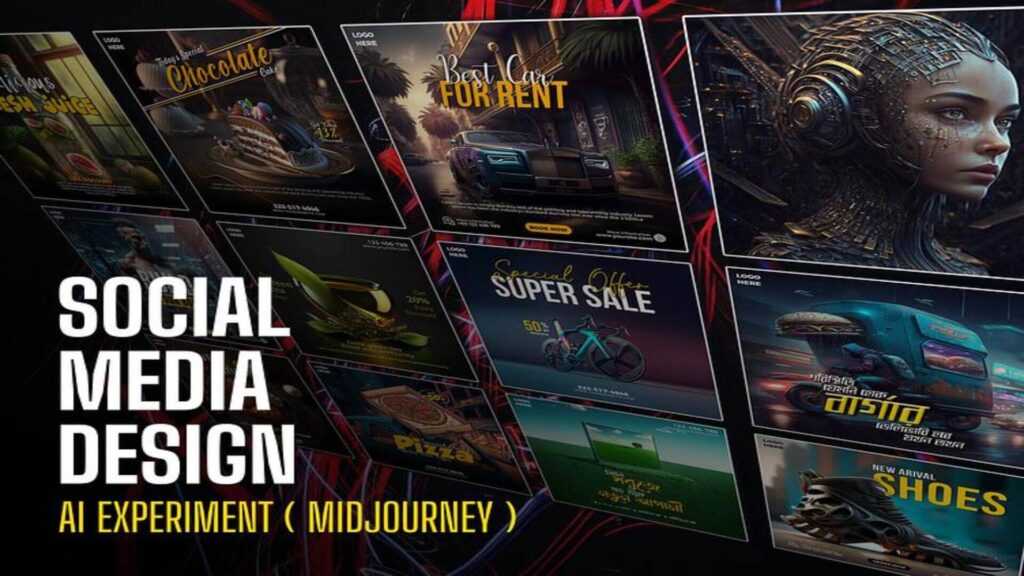
Visual content drives engagement, and Canva’s AI features make design easier for non-designers.
Best for:
- Instagram posts
- Stories
- Carousels
- Facebook ads
- Pinterest pins
- LinkedIn banners
AI Features
- Magic Design
- Background remover
- AI image generation
- Instant resize
- Brand consistency tools
What to avoid
Avoid overusing stock templates.
If your posts look like everyone else’s, your brand becomes forgettable.
Customize:
- Colors
- Typography
- Messaging
- Visual hierarchy
3. CapCut for Short-Form Video
Video dominates every major platform.
CapCut AI tools help marketers create engaging short-form videos quickly.
Best for:
- TikTok
- Instagram Reels
- YouTube Shorts
- Product videos
AI Features
- Auto captions
- Voice enhancement
- Script generation
- Auto cuts
- Trend-based editing
What to avoid
Don’t rely on automated cuts without reviewing.
Bad pacing kills retention.
4. Hootsuite for Scheduling and Analytics
Scheduling content manually wastes time.
Hootsuite uses AI to improve publishing strategies.
Best for:
- Scheduling
- Performance tracking
- Social listening
- Competitor analysis
AI Features
- Best posting time recommendations
- Sentiment analysis
- Trend alerts
What to avoid
Avoid “set it and forget it” scheduling.
Social media still requires human interaction.
5. Buffer for Small Businesses
Buffer remains a favorite for startups and local businesses.
Best for:
- Simple scheduling
- Team collaboration
- Performance insights
Why it works
It’s beginner-friendly, affordable, and efficient.
What to avoid
Don’t publish the same message across every platform.
LinkedIn users behave differently from TikTok audiences.
6. Jasper for Marketing Copy
Jasper focuses on conversion-driven writing.
Best for:
- Paid ads
- Landing pages
- Product promotions
- Sales campaigns
Why marketers use it
It’s trained around marketing frameworks.
What to avoid
Avoid publishing without fact-checking.
AI sometimes invents statistics or claims.
7. Midjourney for Creative Visuals

If your brand needs unique visuals, Midjourney can help.
Best for:
- Campaign concepts
- Creative ads
- Mood boards
- Branding inspiration
What to avoid
Avoid using AI-generated faces for trust-based industries without disclosure.
This can reduce authenticity.
8. Google Trends + AI Research
Trend research is critical.
Google Trends helps marketers discover what people in the United States are searching for.
Best for:
- Content planning
- Seasonal campaigns
- Keyword discovery
Pro Tip
Combine trend data with AI-generated content ideas
AI Tools You Should Avoid
Not every AI tool deserves a place in your workflow.
Here are common mistakes marketers make.
Avoid Tools That Generate Generic Content
If your posts sound robotic, audiences notice.
Bad examples:
- “Unlock your potential today!”
- “Take your business to the next level!”
These phrases are overused.
Instead:
Use tools that help you create customer-focused messaging.
Avoid Auto-Comment Bots
Automated engagement tools may violate platform policies.
Platforms like Instagram and TikTok actively monitor spam behavior.
Risks include:
- Reduced reach
- Shadow bans
- Account restrictions
Avoid Fake Analytics Tools
Some tools promise “viral predictions.”
Be careful.
Real performance depends on:
- Audience behavior
- Timing
- Creative quality
- Offer strength
No AI tool can guarantee virality.
Avoid Cheap AI Image Generators
Low-quality visuals can hurt brand trust.
Watch for:
- Distorted faces
- Broken text
- Unrealistic hands
- Inconsistent branding
How American Brands Are Using AI in 2026

Businesses across the United States are using AI for:
Retail Brands
Using AI for:
- Product recommendations
- Seasonal campaigns
- Personalized ads
Real Estate Agencies
Using AI for:
- Property video tours
- Lead nurturing
- Market reports
Healthcare Brands
Using AI for:
- Educational content
- FAQ automation
- Community management
Local Businesses
Using AI for:
- Review responses
- Event promotions
- Local audience targeting
How to Choose the Right AI Tool
Before paying for any AI software, ask:
Does it save time?
If not, skip it.
Does it improve content quality?
If quality drops, it’s not worth it.
Does it fit your workflow?
Complex tools often reduce productivity.
Does it support your brand voice?
If your content sounds generic, your audience disconnects.
Common AI Mistakes in Social Media Marketing
Publishing Without Editing
AI creates drafts.
Humans create brands.
Always review.
Ignoring Platform Culture
A TikTok post should not sound like LinkedIn.
Customize content.
Chasing Quantity Over Quality
Ten weak posts won’t outperform one strong post.
Forgetting Analytics
Use data.
Don’t guess.
The Best AI Workflow for Social Media Teams
Final Thoughts
AI is no longer optional in social media marketing.
It’s becoming the standard.
The marketers who win in 2026 won’t be the ones who use the most AI.
They’ll be the ones who use AI strategically.
Use AI for:
✅ Research
✅ Drafting
✅ Design
✅ Analytics
✅ Workflow automation
Avoid AI for:
❌ Fake engagement
❌ Generic branding
❌ Blind automation
❌ Low-quality visuals
The future of social media marketing isn’t AI alone.
It’s AI plus human creativity.
Frequently Asked Questions About AI Tools for Social Media Marketing
What are the best AI tools for social media marketing in 2026?
Some of the best AI tools for social media marketing include ChatGPT for content creation, Canva for graphic design, CapCut for video editing, Buffer for scheduling, and Hootsuite for analytics and performance tracking.
How can AI tools improve social media marketing?
AI tools help marketers create content faster, generate captions, design graphics, edit videos, analyze audience behavior, schedule posts, and optimize campaigns for better engagement.
Can AI replace social media managers?
No. AI can automate repetitive tasks and support content creation, but strategy, creativity, community management, and brand storytelling still require human expertise.
Are AI tools safe to use for Instagram and TikTok marketing?
Yes, AI tools are safe when used for content creation, analytics, scheduling, and optimization. Avoid spam bots or fake engagement tools that may violate platform guidelines.
What AI tools should marketers avoid?
Marketers should avoid low-quality AI content generators, fake analytics platforms, auto-comment bots, and tools that produce generic or misleading content.
