

Social media algorithms have completely changed how people consume content online. Platforms like Instagram, TikTok, Facebook, LinkedIn, YouTube, and X (Twitter) now use advanced algorithms to decide what users see instead of showing posts chronologically.
For businesses and creators in the USA, understanding social media algorithms is essential for online growth. In 2026, success is no longer about posting random content daily. Platforms reward valuable, engaging, and high-retention content that keeps users active longer.
Brands that understand how social media algorithms work can improve visibility, engagement, website traffic, and conversions while building long-term digital growth.
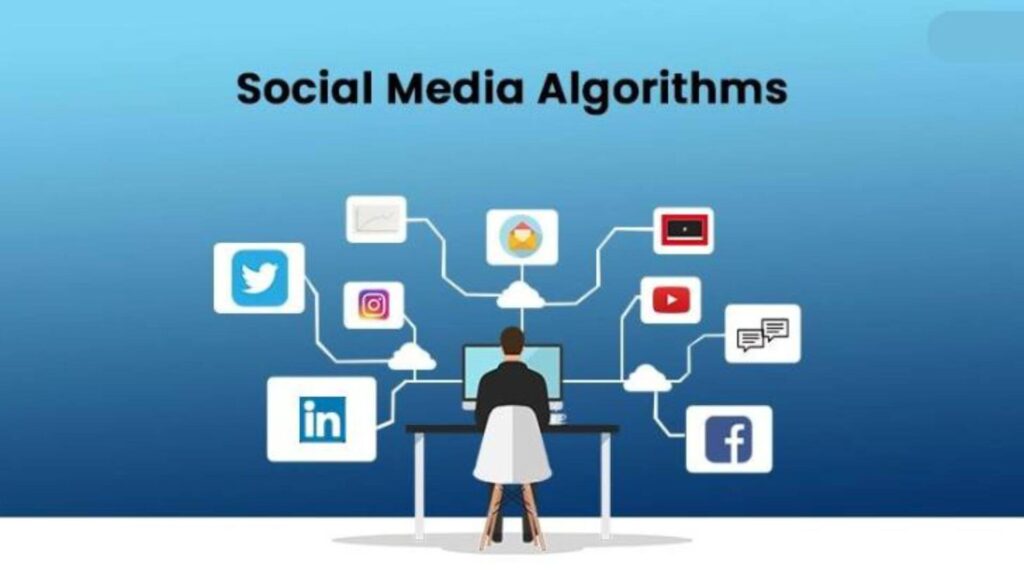
What Are Social Media Algorithms?
Understanding Social Media Algorithms
Social media algorithms are systems and artificial intelligence models used by platforms to determine which content users should see first.
These algorithms analyze user behavior, including:
- Likes
- Comments
- Shares
- Watch time
- Saves
- Search activity
- Profile visits
- Content interactions
The goal of social media algorithms is to keep users engaged for longer periods.
Why Social Media Algorithms Matter
Social media platforms receive millions of posts daily. Algorithms help filter content so users see posts most relevant to their interests.
Without algorithms, users would struggle to find engaging content.
For businesses, algorithms determine:
- Organic reach
- Engagement levels
- Brand visibility
- Audience growth
- Content performance
Understanding these systems helps brands create smarter marketing strategies.
How Social Media Algorithms Work in 2026
Engagement-Based Ranking Systems
Modern social media algorithms prioritize engagement quality over follower count.
Platforms now focus on:
- Meaningful interactions
- Conversation depth
- Watch retention
- Save rates
- Share rates
- User behavior patterns
Content that encourages real interaction gets promoted faster.
Artificial Intelligence and Machine Learning
AI-driven social media algorithms continuously learn from user behavior.
Machine learning systems analyze:
- What users watch repeatedly
- Which posts users skip
- Content viewing duration
- Audience interests
- Personal preferences
This allows platforms to personalize feeds for every individual user.
Instagram Algorithm Explained
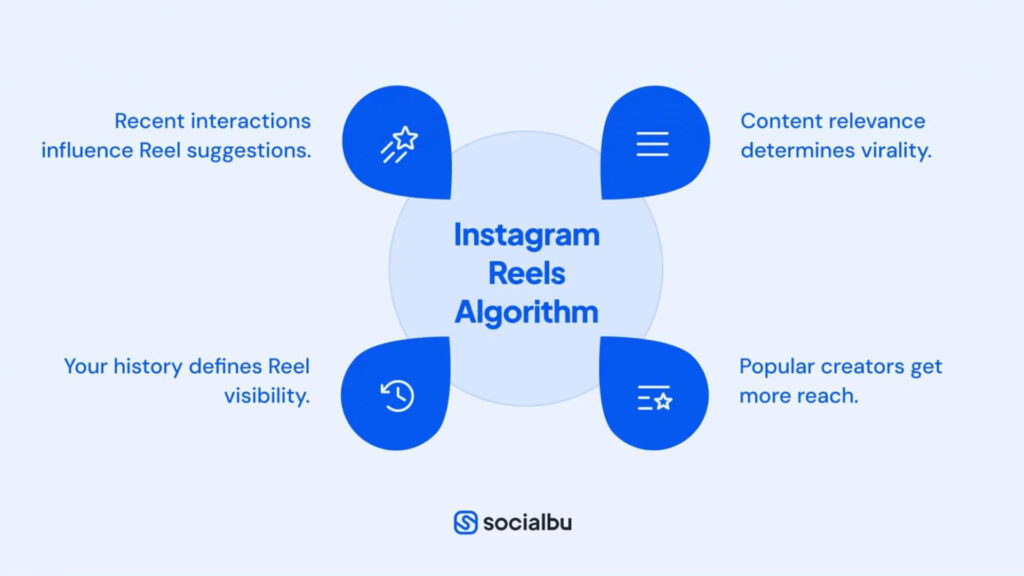
How the Instagram Algorithm Works
Instagram’s algorithm prioritizes content based on:
- Relationship strength
- Relevance
- Engagement history
- Content type preference
- Recency
Instagram Reels currently receive higher organic reach because the platform competes heavily with TikTok.
Best Practices for the Instagram Algorithm
Create High-Retention Reels
Short videos with strong hooks perform best.
Encourage Saves and Shares
Saved content signals high value to the algorithm.
Use SEO-Friendly Captions
Instagram search optimization is becoming increasingly important.
Post Consistently
Consistency improves audience trust and visibility.
TikTok Algorithm and Viral Content
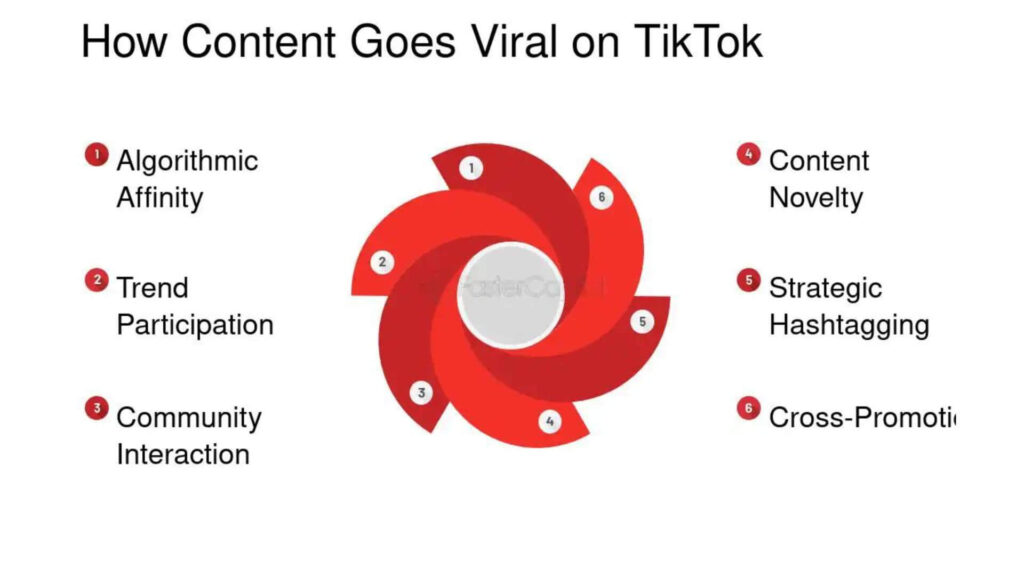
Why TikTok’s Algorithm Is Powerful
TikTok has one of the most advanced content discovery systems.
Unlike traditional platforms, TikTok can make small creators go viral quickly because it focuses on:
- Watch time
- Completion rate
- Engagement speed
- Viewer retention
- User interests
Follower count matters less compared to content quality.
How to Optimize for the TikTok Algorithm
Hook Users Immediately
The first 3 seconds are critical.
Focus on Watch Time
Longer watch duration improves reach.
Use Trending Sounds Strategically
Trends increase discoverability.
Keep Content Authentic
Raw and relatable content often outperforms polished advertisements.
Facebook Algorithm in 2026
Facebook Prioritizes Meaningful Content
Facebook’s algorithm focuses heavily on:
- Community interaction
- Group activity
- Discussions
- Shareable content
- Relationship-based engagement
Personal content often performs better than promotional posts.
Facebook Marketing Strategies
Build Community Groups
Facebook Groups generate strong organic engagement.
Use Video Content
Video continues to dominate Facebook reach.
Encourage Discussions
Questions and conversation-based posts perform well.
LinkedIn Algorithm for Professional Growth
How LinkedIn Algorithms Work
LinkedIn rewards:
- Professional insights
- Thought leadership
- Educational content
- Industry expertise
- Conversation-driven posts
The platform favors content that keeps users engaged professionally.
LinkedIn Content Strategies
Share Valuable Industry Insights
Educational posts generate strong reach.
Use Personal Storytelling
Authentic professional experiences increase engagement.
Encourage Comments
Meaningful discussions improve post visibility.
YouTube Algorithm and Watch Time
The Importance of Watch Time
YouTube’s algorithm heavily prioritizes:
- Watch duration
- Click-through rate
- Audience retention
- Session time
- User satisfaction
Videos that keep viewers watching longer receive better recommendations.
YouTube SEO Strategies
Use Search-Optimized Titles
SEO-friendly titles improve discoverability.
Create Strong Thumbnails
Higher click-through rates boost performance.
Focus on Audience Retention
Engaging storytelling improves rankings.
The Role of SEO in Social Media Algorithms

Social Media Platforms Are Becoming Search Engines
Users increasingly search directly on:
- TikTok
- YouTube
This makes social media SEO more important than ever.
How to Optimize Content for Social Media SEO
Use Keywords Naturally
Include keywords in:
- Captions
- Headlines
- Video descriptions
- Hashtags
Optimize Profile Information
Profiles should clearly describe brand expertise.
Create Searchable Content
Educational and problem-solving content performs well.
Why Engagement Matters More Than Followers
Social Media Algorithms Prioritize Engagement
Modern algorithms reward:
- Shares
- Saves
- Watch time
- Comments
- Meaningful interaction
Large follower counts alone no longer guarantee reach.
Quality Audiences Beat Large Audiences
A small engaged audience often performs better than a massive inactive following.
Brands focusing on trust and community growth see better long-term results.
The Future of Social Media Algorithms
AI Will Continue to Evolve
Artificial intelligence will make algorithms even more personalized.
Future social media algorithms may analyze:
- Emotional reactions
- Voice interactions
- User intent
- Behavioral psychology
- Content authenticity
Authentic Content Will Dominate
Algorithms increasingly favor:
- Real conversations
- Authentic creators
- Educational value
- Community interaction
- Human storytelling
Fake engagement and overly promotional content continue losing visibility.
Common Social Media Algorithm Mistakes
1. Posting Inconsistently
One of the biggest mistakes brands make is uploading content randomly. Social media algorithms reward consistent posting because it signals reliability and active engagement.
2. Ignoring Audience Engagement
Failing to reply to comments, messages, and interactions can reduce your reach. Algorithms favor creators and brands that build real conversations with their audience.
3. Overusing Hashtags
Stuffing posts with irrelevant hashtags looks spammy and can hurt visibility. Use targeted and niche-specific hashtags for better SEO and discoverability.
4. Creating Low-Value Content
Content without educational value, entertainment, or authenticity usually performs poorly. Modern algorithms prioritize high-retention and engaging content.
5. Focusing Only on Followers
Many businesses chase follower counts instead of building trust. Today’s algorithms care more about engagement quality and audience interaction.
Best Social Media Algorithm Strategies for Businesses
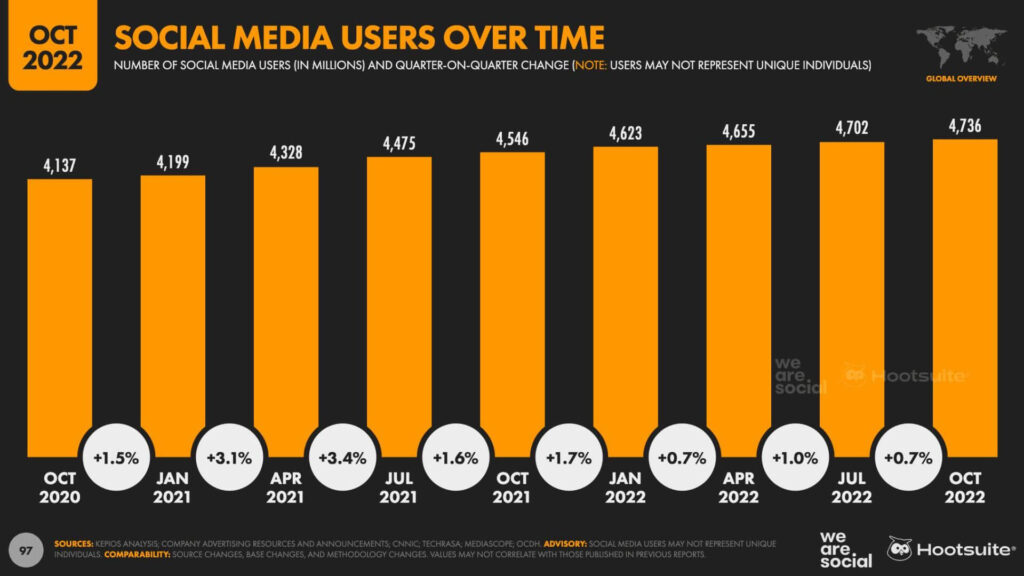
Focus on Community Building
Brands should prioritize:
- Relationships
- Audience trust
- Valuable conversations
- Long-term loyalty
Create Platform-Specific Content
Every platform has different algorithm preferences.
Content should be optimized individually for:
- TikTok
- YouTube
Analyze Data Regularly
Track metrics like:
- Watch time
- Engagement rate
- Retention
- Shares
- Saves
Data-driven optimization improves long-term growth.
How Small Businesses Can Win With Social Media Algorithms
Organic Reach Is Still Possible
Small businesses can grow rapidly by creating:
- Educational videos
- Authentic storytelling
- Niche-focused content
- Problem-solving posts
Trust Is the Ultimate Algorithm Signal
Platforms increasingly reward content people genuinely value.
Trust creates:
- Higher engagement
- More shares
- Better retention
- Stronger community growth
Conclusion
Social media algorithms are shaping the future of digital marketing. In 2026, success is no longer based purely on followers or viral trends. Platforms now prioritize authentic engagement, audience retention, educational value, and community interaction.
Businesses that understand social media algorithms can build stronger online visibility, grow loyal audiences, and achieve sustainable organic growth.
The future belongs to brands that combine creativity, SEO optimization, authenticity, and data-driven strategy. As algorithms continue evolving, trust and meaningful engagement will remain the foundation of successful social media marketing.
