

Many businesses publish blog posts, social media updates, and email campaigns regularly, yet they still struggle to measure results. The main problem is that they do not track the right content marketing KPIs. Instead of focusing on meaningful performance indicators, many marketers rely on vanity metrics such as impressions or likes, which rarely show the true impact of their content strategy.
To build an effective strategy, you need to understand content marketing KPIs that actually measure performance, growth, and return on investment. These metrics help you evaluate what works, improve future content, and make smarter marketing decisions.
This guide explains the content marketing KPIs that actually matter, how to track them, and how they support long-term content success.
What Are Content Marketing KPIs?
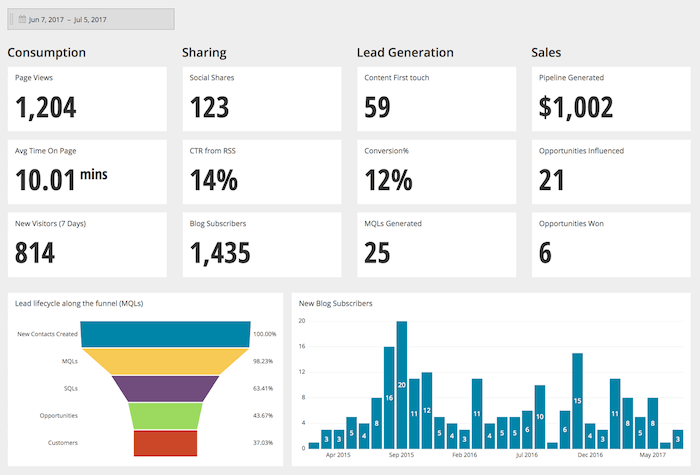
Content marketing KPIs are measurable performance indicators used to evaluate the success of content marketing efforts. These metrics track how content contributes to traffic, engagement, lead generation, and revenue. By monitoring the right KPIs, businesses can measure content effectiveness and optimize strategies for better results.
Content Marketing KPIs That Matter
Here are the most important content marketing KPIs every marketer should track:
Organic traffic growth
Engagement metrics (time on page, scroll depth)
Lead generation
Conversion rate
Customer acquisition cost
Content marketing ROI
Keyword rankings
These KPIs provide a clearer picture of how content contributes to business growth.
How to Measure Content Marketing KPIs
Tracking content marketing KPIs requires a structured framework. Follow these steps to measure content performance effectively.
Step 1: Define Clear Content Goals
Before tracking any KPI, identify what you want your content to achieve.
Common content goals include:
Increasing organic website traffic
Generating leads
Building brand awareness
Improving audience engagement
Supporting sales
Once goals are clear, selecting the right KPIs becomes easier.
Step 2: Track Organic Traffic Growth
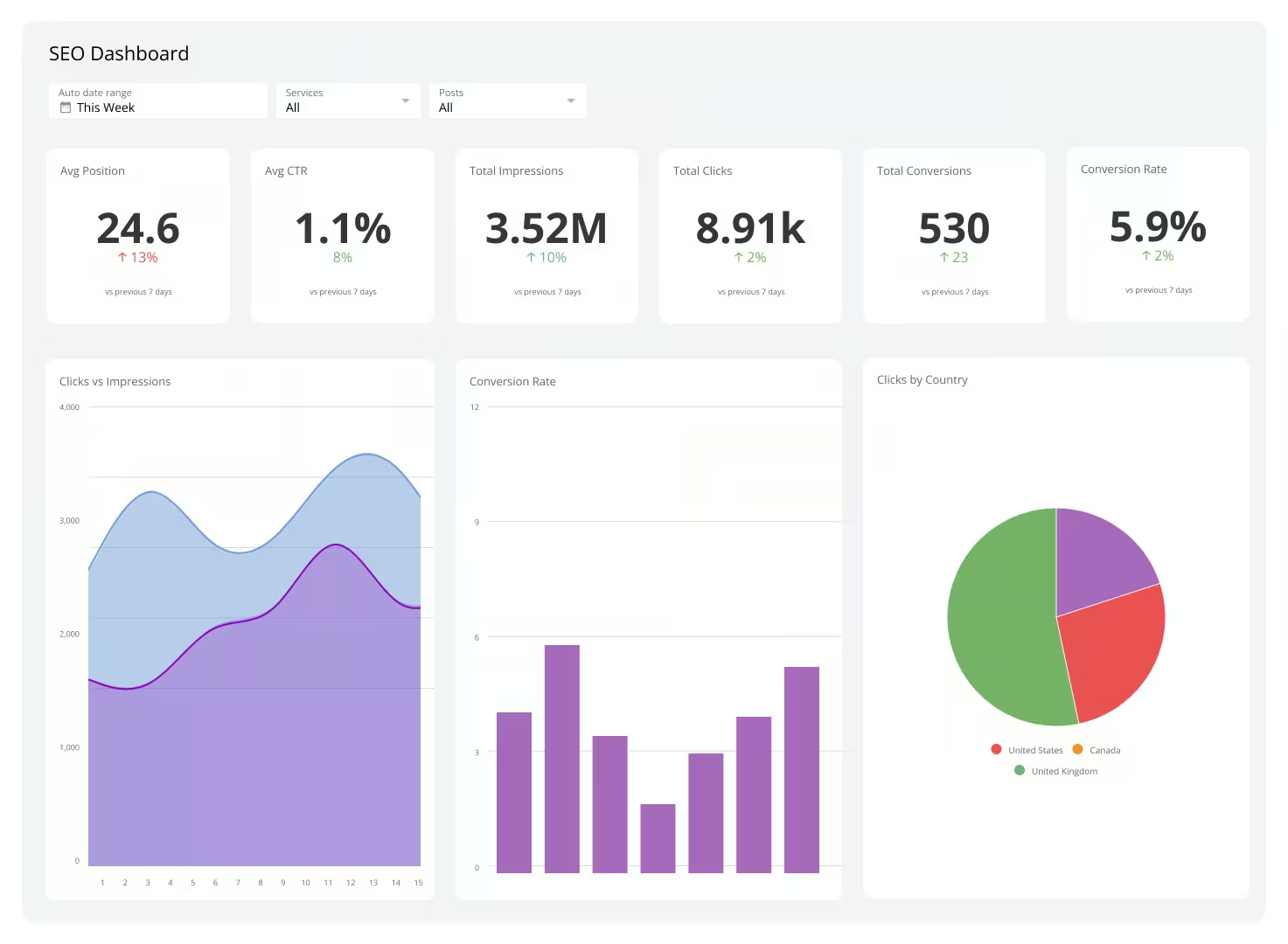
Organic traffic is one of the most important content marketing KPIs.
It shows how many visitors discover your website through search engines.
Why it matters:
Indicates SEO performance
Shows whether your content ranks for relevant keywords
Demonstrates long-term growth potential
Tracking organic traffic helps you understand whether your content is attracting new audiences.
Step 3: Measure Engagement Metrics
Traffic alone does not indicate success. Engagement shows how users interact with your content.
Important engagement KPIs include:
Time on page
Scroll depth
Pages per session
Social shares and comments
High engagement signals that your content provides real value to readers.
Step 4: Track Lead Generation
Content should not only attract visitors but also convert them into potential customers.
Lead generation KPIs include:
Newsletter sign-ups
Downloadable resources
Webinar registrations
Contact form submissions
These metrics show how content contributes to building your sales pipeline.
Step 5: Monitor Conversion Rate
Conversion rate measures how many visitors complete a desired action.
Examples of conversions include:
Signing up for an email list
Booking a consultation
Purchasing a product
Tracking conversion rates helps determine whether your content motivates users to take action.
Step 6: Measure Keyword Rankings
Keyword rankings are another essential content marketing KPI.
They show how well your content performs in search results.
Tracking keyword rankings helps you:
Identify high-performing topics
Discover new content opportunities
Improve SEO optimization
Higher rankings often lead to increased organic traffic.
Step 7: Calculate Content Marketing ROI
Return on investment (ROI) is one of the most important metrics in marketing.
Content marketing ROI measures how much revenue your content generates compared to the cost of producing it.
Calculating ROI helps businesses justify content marketing investments and refine strategies for maximum impact.
Real Examples of Content Marketing KPIs
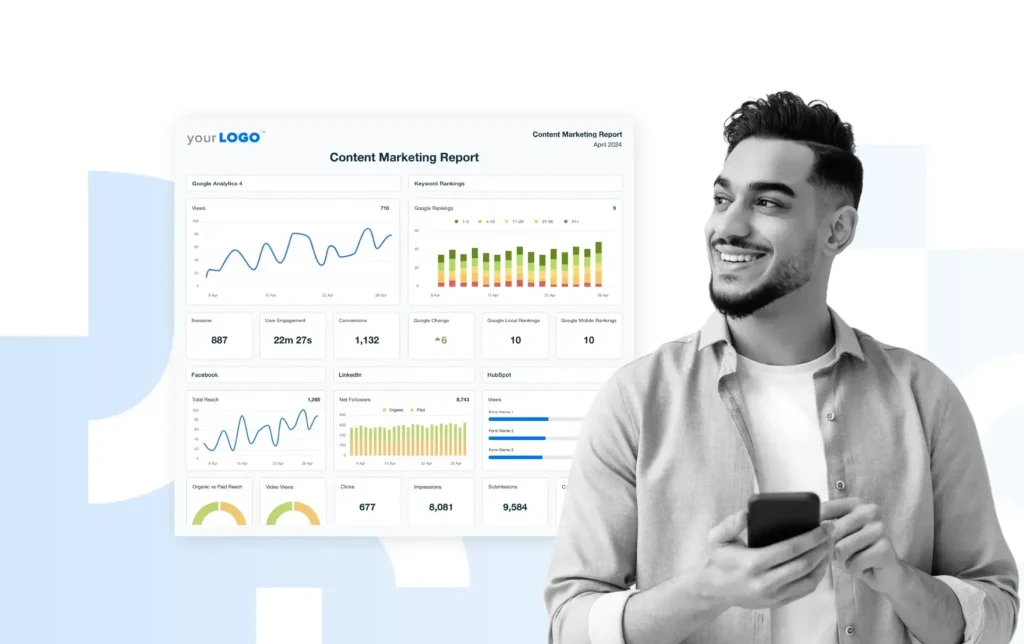
Understanding content marketing KPIs becomes easier through practical examples.
Example 1: Blog Traffic Growth
A company publishes educational blog posts focused on SEO topics. Within six months, organic traffic increases by 70%.
This shows that the content strategy successfully improved visibility in search engines.
Example 2: Lead Generation Through Content
A marketing agency offers a downloadable guide in exchange for email sign-ups.
The guide generates 500 new leads in one month, demonstrating how content supports lead generation.
Example 3: Improved Engagement Metrics
A website redesigns its blog posts with better formatting and visuals. The average time on page increases from one minute to three minutes.
This indicates stronger audience engagement.
Data and Statistics About Content Marketing KPIs
Research supports the importance of tracking meaningful KPIs.
According to insights published by Content Marketing Institute, organizations with documented content strategies are significantly more likely to report success in their marketing efforts.
Similarly, studies highlighted by HubSpot show that businesses tracking detailed performance metrics achieve better marketing results compared to those relying on basic analytics.
These findings highlight the importance of focusing on meaningful content marketing KPIs.
Common Content Marketing Metrics That Don’t Matter
Many marketers focus on metrics that look impressive but provide little value.
Examples of vanity metrics include:
Social media likes without engagement
Page views without conversions
Impressions without clicks
While these numbers may look positive, they rarely indicate real business impact.
How Content Marketing KPIs Improve Strategy
Tracking the right content marketing KPIs helps marketers make better decisions.
Benefits include:
Identifying high-performing topics
Improving content planning
Increasing audience engagement
Optimizing SEO performance
Strengthening marketing ROI
Data-driven strategies outperform guesswork.
Frequently Asked Questions
What are content marketing KPIs?
Content marketing KPIs are measurable metrics used to evaluate the effectiveness of content strategies, including traffic, engagement, conversions, and ROI.
What are content marketing KPIs?
Content marketing KPIs are measurable metrics used to evaluate the effectiveness of content strategies, including traffic, engagement, conversions, and ROI.
Why are content marketing KPIs important?
They help businesses understand whether content marketing efforts are driving traffic, leads, and revenue.
How often should content marketing KPIs be tracked?
Most marketers track KPIs monthly, while larger campaigns may require weekly monitoring.
Final Thoughts
Understanding content marketing KPIs that actually matter is essential for measuring real marketing success. Instead of focusing on vanity metrics, businesses should prioritize indicators that reflect traffic growth, engagement, lead generation, and conversions.
By tracking the right KPIs, marketers gain valuable insights into audience behavior and content performance. This allows them to refine strategies, improve results, and build sustainable long-term growth through content marketing.