

Bad Bunny Super Bowl Halftime Show Shines With Music, Culture, and Global Impact
The Bad Bunny Super Bowl halftime show delivered one of the most electrifying and culturally significant performances in recent Super Bowl history. Known for pushing boundaries and redefining Latin music on a global scale, Bad Bunny transformed the halftime stage into a vibrant celebration of Puerto Rican identity, music, and pride.
From the opening beat to the final note, the performance captured the attention of millions of viewers worldwide. It wasn’t just a musical set—it was a statement about representation, heritage, and the growing influence of Latin artists on the biggest stages in entertainment.
A Historic Moment for the Super Bowl Halftime Stage
The Super Bowl halftime show has long been reserved for global pop icons. Bad Bunny’s appearance marked a defining moment, highlighting how Latin music has moved from niche to mainstream.
Performing at the Super Bowl, Bad Bunny brought Spanish-language music to an audience of hundreds of millions, proving that cultural authenticity resonates far beyond language barriers.
This performance reinforced a broader shift in the entertainment industry—one where diverse voices are no longer sidelined, but celebrated at the center of global events.
Performance Highlights That Stole the Show
Bad Bunny’s halftime performance stood out for its energy, symbolism, and artistic direction.
Key Highlights Included:
- A high-energy opening that immediately set the tone
- Seamless transitions between chart-topping hits
- Live instrumentation blended with modern beats
- Powerful visuals inspired by Caribbean culture
Every detail—from choreography to stage design—was carefully curated to reflect his roots while maintaining mass appeal.
Celebrating Puerto Rican Culture on a Global Stage
One of the most impactful aspects of the Bad Bunny Super Bowl halftime show was its deep connection to Puerto Rico. The performance featured cultural references, rhythms, and imagery that honored the island’s heritage.
Rather than diluting his identity for a mainstream audience, Bad Bunny amplified it—sending a clear message about pride, resilience, and representation.
This cultural spotlight resonated strongly with viewers who rarely see their heritage reflected during major global broadcasts.
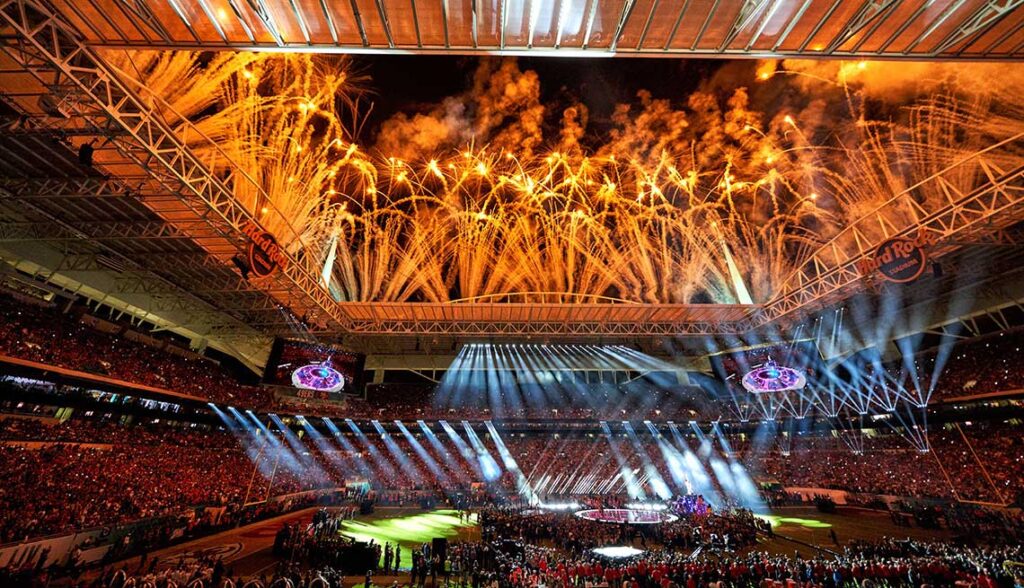
Stage Design, Visuals, and Production Value
The production quality of the halftime show matched its cultural depth.
| Element | Description |
|---|---|
| Stage Design | Large-scale, immersive setup with dynamic movement |
| Visuals | Bold lighting, cultural symbols, and cinematic effects |
| Choreography | Fusion of modern dance and Caribbean styles |
| Sound | Live vocals with stadium-filling clarity |
The result was a visually stunning performance that felt both intimate and massive at the same time.
Audience and Social Media Reaction
Almost instantly, social media platforms lit up with praise. Fans, celebrities, and critics alike applauded Bad Bunny for delivering a halftime show that felt authentic, fearless, and fresh.
Common Reactions Included:
- Praise for cultural representation
- Recognition of Latin music’s global influence
- Admiration for Bad Bunny’s confidence and artistry
Within minutes, clips from the performance dominated trending topics worldwide.
Why This Halftime Show Matters Beyond Entertainment
The significance of the Bad Bunny Super Bowl halftime show extends far beyond music.
Cultural Impact
- Reinforced Latin culture’s place in mainstream media
- Inspired younger artists to embrace authenticity
Industry Impact
- Opened doors for more diverse halftime performers
- Challenged traditional expectations of “mainstream” acts
Global Influence
- Showcased Spanish-language music on one of the world’s largest platforms
Bad Bunny’s Evolution as a Global Icon
Bad Bunny’s halftime appearance reflects his evolution from breakout artist to cultural leader. He has consistently used his platform to challenge norms, celebrate identity, and expand what global pop culture looks like.
This performance felt like a culmination of years of artistic risk-taking—and a sign of where the future of live entertainment is headed.
Frequently Asked Questions (FAQs)
1. Why was Bad Bunny’s Super Bowl halftime show so important?
It highlighted Latin music and Puerto Rican culture on one of the world’s biggest stages, marking a major moment for representation.
2. Did Bad Bunny perform in Spanish at the Super Bowl?
Yes, the performance proudly featured Spanish-language music, staying true to his artistic roots.
3. How did fans react to the halftime show?
The reaction was overwhelmingly positive, with widespread praise across social media and entertainment outlets.
4. Was this a first for Latin artists at the halftime show?
While Latin artists have appeared before, Bad Bunny’s performance was notable for centering Latin culture throughout the entire show.
5. What made the performance visually unique?
Bold stage design, cultural symbolism, and high-energy choreography set it apart.
6. Will this change future Super Bowl halftime shows?
Many believe it will encourage more diverse and culturally authentic performances going forward.
Conclusion
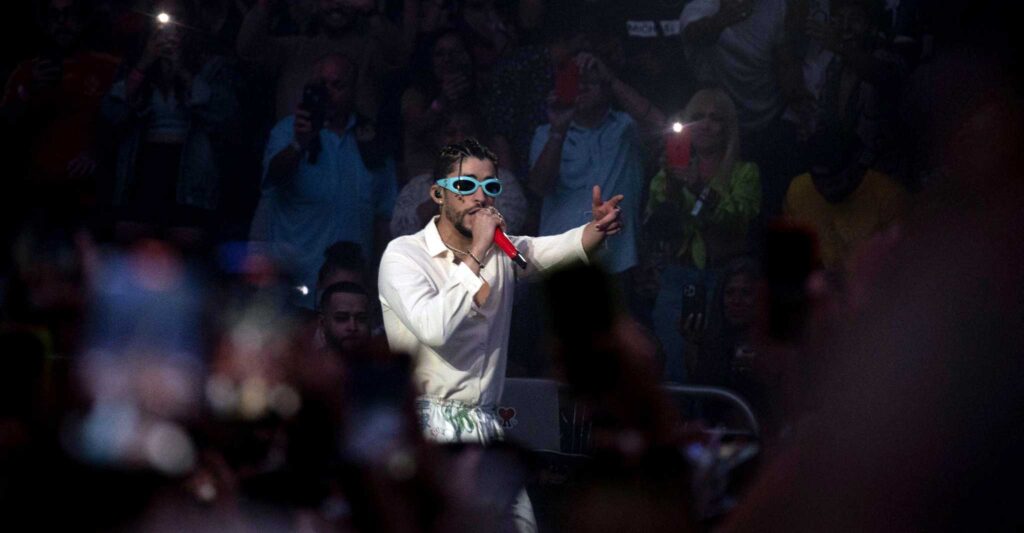
The Bad Bunny Super Bowl halftime show was more than a performance—it was a cultural milestone. By blending global hits with Puerto Rican pride, Bad Bunny delivered a moment that will be remembered as one of the most meaningful halftime shows in Super Bowl history.
As entertainment continues to evolve, this performance stands as proof that authenticity, diversity, and artistic courage can shine on the world’s biggest stages.