

Many businesses struggle to build a strong brand because they confuse brand voice vs story. While these two elements are closely connected, they serve different purposes in branding and content marketing. Understanding the difference helps brands communicate clearly, build trust, and maintain consistency across all platforms.
Your brand story explains why your brand exists and what it stands for. Your brand voice, on the other hand, determines how you communicate that story. When these two elements work together, they create a consistent and memorable identity that audiences recognize and trust.
In this guide, we will explain the difference between brand voice vs story, explore how they work together, and show practical ways to develop both for a strong marketing strategy.
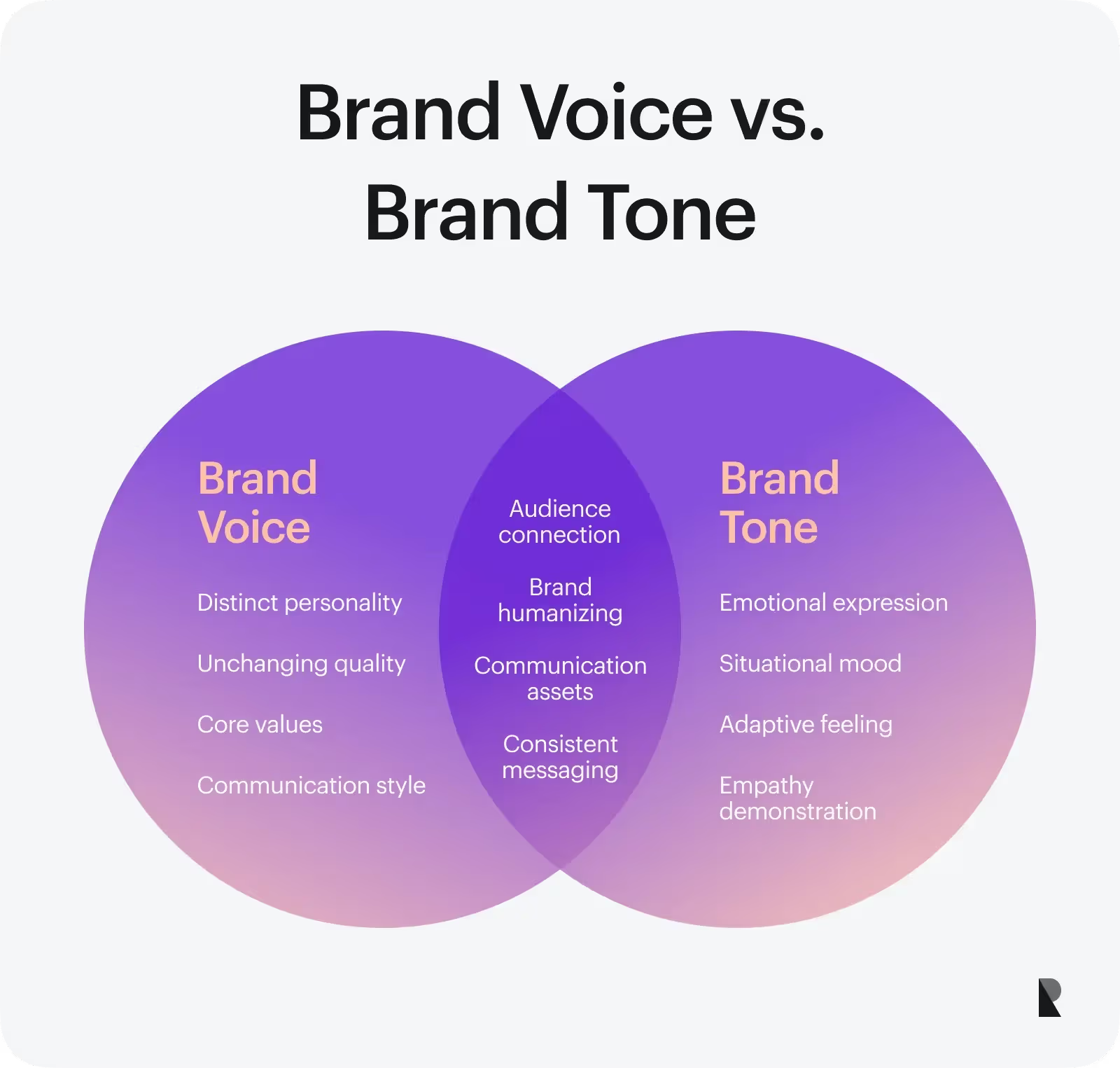
Definition: Brand Voice vs Story
Brand voice vs story refers to two essential branding elements. A brand story explains the purpose, mission, and narrative behind a company, while brand voice defines the tone, language, and personality used to communicate that story. Together they help businesses build a consistent identity across marketing channels and content.
Bullet Summary: Key Differences Between Brand Voice and Brand Story
Understanding brand voice vs story becomes easier when we break the concept into simple points.
Brand story explains the mission and purpose of the brand.
Brand voice defines how the brand communicates with its audience.
Brand story focuses on the brand’s journey and values.
Brand voice focuses on tone, language, and personality.
Brand story creates emotional connection.
Brand voice ensures consistent communication.
Both are necessary for building a recognizable brand identity.
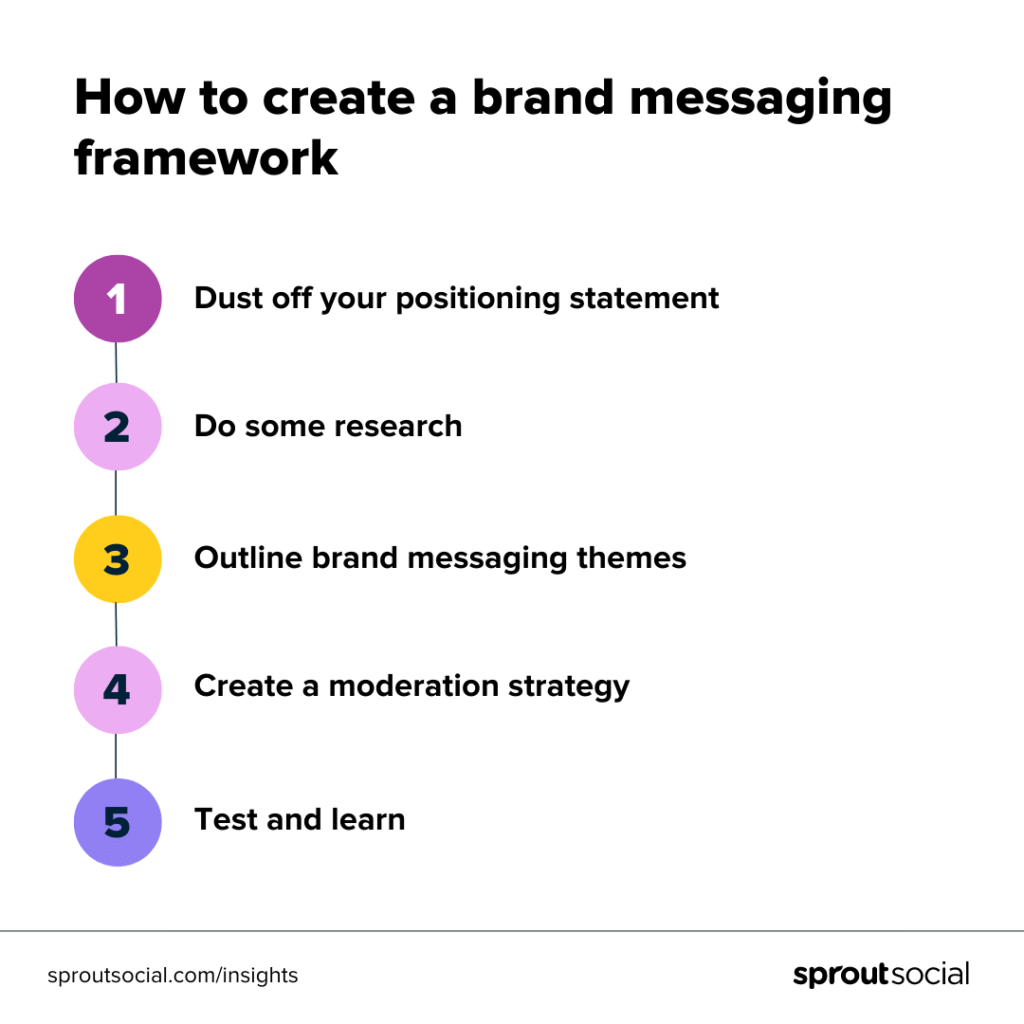
How to Build Brand Voice and Story
Developing a strong branding strategy requires a clear process. The following framework explains how to build both brand voice and brand story effectively.
Step 1: Define Your Brand Purpose
Every strong brand story begins with a purpose. Ask yourself why your brand exists beyond selling products or services.
Questions to consider include:
What problem does your brand solve?
Who does your brand help?
What transformation do customers experience?
A clear purpose becomes the foundation of your brand story.
Step 2: Understand Your Audience
Your audience influences both brand voice and brand story. Before defining your messaging, identify who you are speaking to.
Research:
Audience goals
Pain points
Motivations
Preferred communication style
Understanding your audience ensures your story feels relevant and authentic.
Step 3: Craft a Clear Brand Story
Your brand story should communicate your mission in a simple way.
A useful framework for creating a brand story is:
We help [target audience] solve [problem] so they can achieve [desired result].
This formula keeps your narrative clear and focused.
A strong brand story helps customers understand what your brand stands for and why it matters.
Step 4: Define Your Brand Voice
Once your story is clear, you must decide how your brand communicates it.
Your brand voice describes the personality of your brand. For example:
Professional and authoritative
Friendly and conversational
Inspirational and motivational
Simple and educational
The key is consistency. Your brand voice should remain the same across blogs, social media, emails, and marketing campaigns.
Step 5: Document Your Brand Guidelines
Many brands lose consistency because they do not document their voice or story.
Create brand guidelines that include:
Brand mission and story
Tone of voice examples
Writing style preferences
Messaging principles
Documented guidelines help teams maintain consistency across all content.
Step 6: Apply Brand Voice and Story Across Content
Your brand voice and story should guide every piece of content you create.
This includes:
Blog posts
Social media captions
Website copy
Advertising messages
Email marketing
Consistency builds familiarity, and familiarity builds trust.
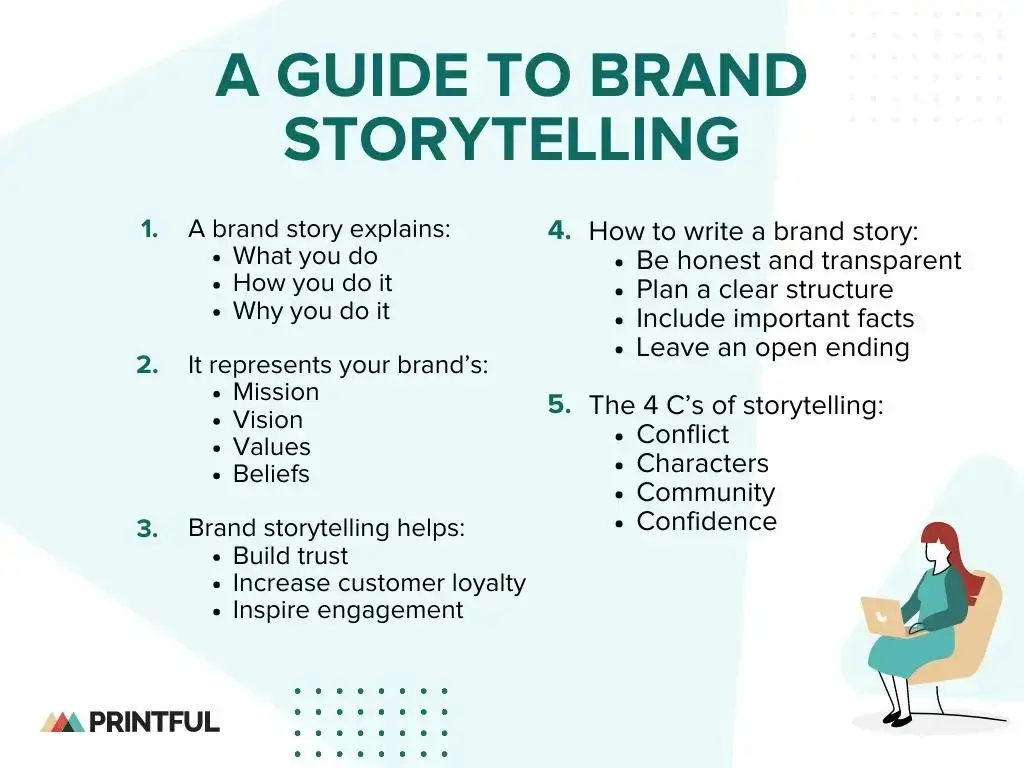
Real Examples of Brand Voice vs Story
Understanding the difference between brand voice vs story becomes easier through examples.
Example 1: Technology Company
Brand Story:
The company was created to make complex technology simple and accessible for everyday users.
Brand Voice:
Clear, confident, and modern.
The story explains the mission, while the voice shapes how that message is delivered.
Example 2: Fitness Brand
Brand Story:
Helping people improve their health through sustainable fitness habits.
Brand Voice:
Motivational, energetic, and encouraging.
The story focuses on transformation, while the voice motivates people to take action.
Example 3: Educational Platform
Brand Story:
Providing affordable learning opportunities for students worldwide.
Brand Voice:
Friendly, supportive, and informative.
In this case, the story explains the purpose while the voice makes the brand approachable.
Data and Statistics Supporting Brand Storytelling
Research shows that storytelling plays a major role in successful branding and marketing strategies.
Studies referenced by Content Marketing Institute highlight that brands with clear messaging and documented content strategies are significantly more likely to achieve marketing success.
Similarly, marketing insights shared by HubSpot show that maintaining a consistent brand voice across channels improves brand recognition and audience engagement.
These findings emphasize the importance of aligning brand voice with brand story.
Common Mistakes When Defining Brand Voice vs Story
Many companies struggle because they misunderstand these concepts.
Common mistakes include:
Confusing brand story with marketing slogans
Changing brand voice across platforms
Copying competitors’ messaging
Creating a story without emotional connection
Failing to document brand guidelines
Avoiding these mistakes helps maintain consistency and credibility.
How Brand Voice and Story Improve Content Marketing
When businesses clearly define brand voice vs story, content marketing becomes more effective.
Benefits include:
Stronger brand identity
Consistent messaging
Higher audience engagement
Clearer marketing strategy
Better customer trust
A clear brand voice ensures that your content sounds recognizable, while your brand story gives it meaning.
Frequently Asked Questions (FAQ)
What is the difference between brand voice vs story?
Brand story explains the mission and purpose of a brand, while brand voice defines the tone and personality used to communicate that story.
Why are brand voice and story important?
They help brands communicate consistently, build trust, and create emotional connections with their audience.
Can a brand change its voice?
Yes, brands can adjust their voice over time. However, major changes should be made carefully to maintain consistency and brand recognition.
Does every business need a brand story?
Yes. A clear brand story helps audiences understand your mission, values, and purpose, which strengthens brand loyalty.
Final Thoughts
Understanding brand voice vs story is essential for building a consistent and memorable brand. Your brand story explains your purpose and mission, while your brand voice defines how that message is communicated to your audience.
When both elements work together, they create a powerful identity that audiences recognize and trust across every platform.
Brands that clearly define their voice and story are better positioned to build meaningful connections, strengthen marketing strategies, and grow long-term customer loyalty.
