

Publishing random blog posts is no longer enough to rank or grow traffic. Search engines now prioritize websites that show topical authority, structure, and depth. This is where a content pillar strategy becomes essential.
A content pillar strategy helps you organize your website around core topics and supporting content so search engines clearly understand what you are an expert in. Instead of chasing single keywords, you build an ecosystem that drives consistent, long-term traffic.
This guide explains how to build a content pillar strategy step by step, with a structure that works for SEO, content marketing, and sustainable growth.
What Is a Content Pillar Strategy?
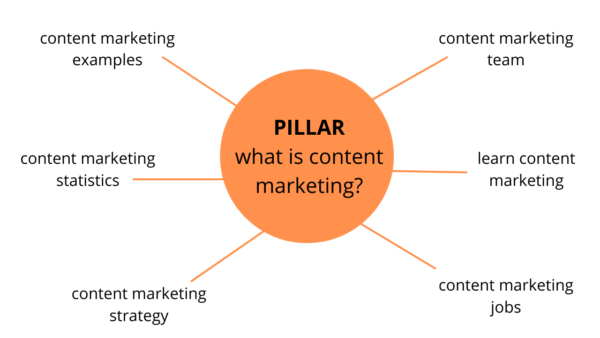
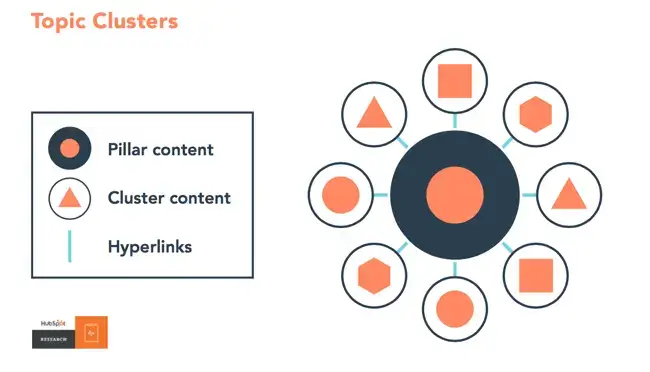
A content pillar strategy is a structured content model where your website is organized around a few main topics (pillar pages) supported by multiple related articles (cluster content).
Pillar page: A broad, in-depth guide on a core topic
Cluster content: Specific articles that cover subtopics in detail
All cluster articles link back to the pillar page, and the pillar page links to all clusters. This creates a strong internal linking structure that improves SEO and user experience.
Why a Content Pillar Strategy Is Important for SEO
Search engines don’t just rank pages — they rank topics.
A well-planned content pillar strategy helps you:
Build topical authority
Rank for multiple related keywords
Improve crawlability
Increase time on site
Reduce bounce rate
Instead of one article ranking temporarily, your entire topic cluster gains strength over time.
Content Pillar Strategy vs Traditional Blogging
Traditional Blogging
Random topics
Weak internal linking
Overlapping keywords
Inconsistent traffic
Content Pillar Strategy
Structured topics
Clear keyword hierarchy
Strong internal links
Compounding organic traffic
If your blog feels messy or unfocused, a content pillar strategy solves that problem.
How to Build a Content Pillar Strategy Step by Step
Now let’s break down the exact process.
Step 1: Choose Core Topics
Start by selecting 3–5 core topics your website should be known for.
Good pillar topics are:
Broad but focused
Relevant to your audience
Directly connected to your business
Searchable
Examples:
Content marketing
SEO strategy
Brand storytelling
Social media growth
Each topic should be large enough to support many related articles.
Step 2: Validate Topics with Keyword Research
Before finalizing your pillars, validate them with keyword research.
Check:
Search volume
Keyword difficulty
Search intent
Competitor coverage
A strong focuses on topics with high informational intent and multiple long-tail keyword opportunities.
Step 3: Create a Pillar Page for Your Content Pillar
A pillar page is the main hub of your strategy.
A strong pillar page should:
Be comprehensive (1500–2500+ words)
Cover all major subtopics briefly
Target one primary keyword
Link to all related cluster articles
Think of it as the ultimate guide for that topic.
Step 4: Create Cluster Content to Support Your Content Pillar Strategy
Cluster content supports and strengthens your pillar page.
Each cluster article should:
Target a specific long-tail keyword
Answer one focused question
Go deep into one subtopic
Link back to the pillar page
Example:
Pillar: Content Marketing Strategy
Clusters:
Content marketing strategy template
Storytelling content calendar
Content marketing KPIs
Evergreen content strategy
Each cluster reinforces the main topic.
Step 5: Internal Linking Rules
Internal linking is the backbone of a content pillar strategy.
Follow these rules:
Every cluster links to the pillar page
Pillar page links to all clusters
Related clusters can link to each other
This helps search engines understand hierarchy and improves user navigation.
Step 6: Match Search Intent
Search intent matters more than keywords.
Your should focus mainly on:
Informational intent (guides, how-tos, frameworks)
This type of content:
Attracts consistent traffic
Builds trust
Supports long-term rankings
Avoid mixing transactional intent into informational pillars.
Step 7: Content Creation Order
You don’t need to publish everything at once.
Best order:
Publish the pillar page first
Publish 3–5 cluster articles
Add new clusters over time
Traffic grows as your cluster expands. This is how a content pillar strategy compounds results.
Step 8: Optimize Pillar and Cluster Pages for Content Pillar Strategy SEO
Every page in your should be optimized.
Checklist:
Primary keyword in title and H1
Related keywords in H2s
Clear structure
Internal links
Good readability
SEO works best when structure and usefulness align.
Step 9: Promote Your Content Pillar Strategy
Pillar pages are long-term assets and deserve extra promotion.
Promote them via:
Internal links from new posts
Email newsletters
Social media threads
Resource pages
More visibility strengthens the entire cluster.
Example of a Content Pillar Strategy That Drives Traffic
Pillar Topic: Content Marketing Strategy
Pillar Page:
Ultimate Content Marketing Strategy Guide
Cluster Articles:
Content marketing strategy template
Storytelling content calendar
Content distribution strategy
Content marketing KPIs
Evergreen content strategy
This single pillar can rank for dozens of keywords.
Common Mistakes in a Content Pillar Strategy
Avoid these errors:
Creating too many pillar topics
Choosing overly broad subjects
Ignoring internal linking
Targeting the same keyword repeatedly
Publishing clusters without a pillar
Structure without planning doesn’t work.
How a Content Pillar Strategy Drives Long-Term Traffic
A well-built content pillar strategy:
Builds authority over time
Increases keyword coverage
Improves user engagement
Compounds organic traffic
Instead of chasing trends, you create a sustainable SEO system.
Final Thoughts
Learning how to build a content pillar strategy is one of the smartest moves you can make for long-term SEO success.
When you:
Choose the right pillar topics
Build strong pillar pages
Support them with cluster content
Link everything strategically
You stop publishing random content and start building authority.
A content pillar strategy doesn’t just drive traffic — it builds trust, relevance, and long-term visibility.
