
Search engines have evolved significantly over the past decade. Instead of ranking pages based only on keywords, modern algorithms now evaluate how deeply a website covers an entire topic. This shift has introduced a powerful concept in SEO known as topical authority.
Websites that demonstrate strong topical authority tend to rank higher in search results, attract more organic traffic, and build greater credibility with audiences. Rather than publishing random articles, they focus on creating structured content ecosystems that cover a subject comprehensively.
In this evergreen guide, we will explore what is, why it matters for SEO, and how businesses can build it to dominate search rankings over the long term.
What Is Topical Authority?
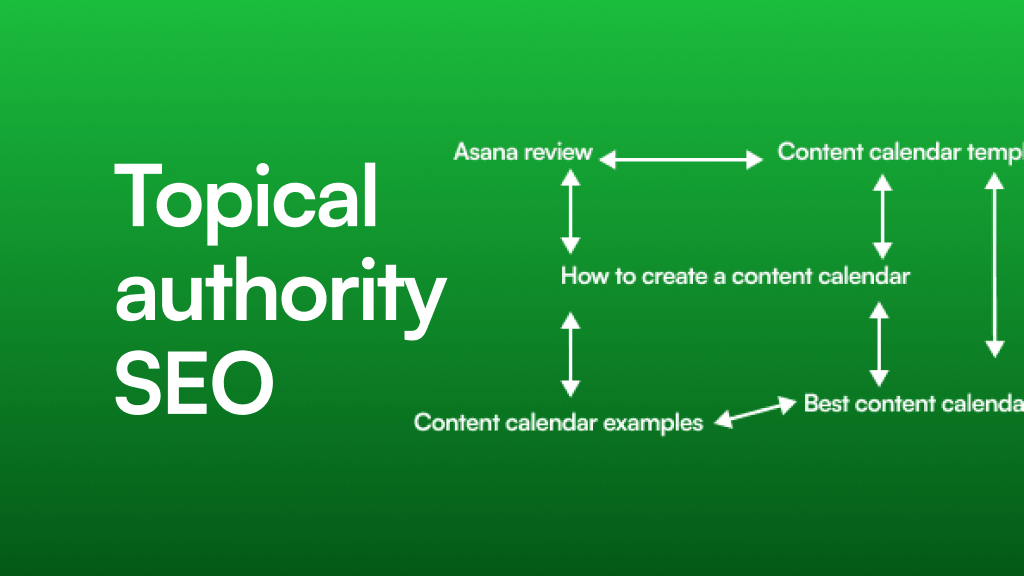
Its refers to the expertise and credibility a website demonstrates on a specific subject through comprehensive content coverage. Search engines measure topical authority by analyzing how well a site addresses related topics, answers user questions, and connects articles through internal linking. Websites with strong topical authority often rank for multiple related keywords.
Why Topical Authority Matters
Understanding topical authority becomes easier when we look at its core advantages.
Improves search engine rankings
Expands keyword coverage across a topic
Builds credibility and trust with readers
Strengthens internal linking structure
Helps websites dominate entire subject areas
Drives consistent long-term organic traffic
Instead of ranking a single article, websites with strong topical authority rank across dozens or even hundreds of related searches.
How to Build Topical Authority
Creating authority requires a strategic content approach rather than random publishing.
Step 1: Choose a Core Topic
The first step in building is selecting a main topic that aligns with your expertise or business niche.
Examples include:
Content marketing
SEO strategy
Personal finance
Digital advertising
The topic should be broad enough to support many articles but focused enough to demonstrate expertise.
Step 2: Create a Pillar Page
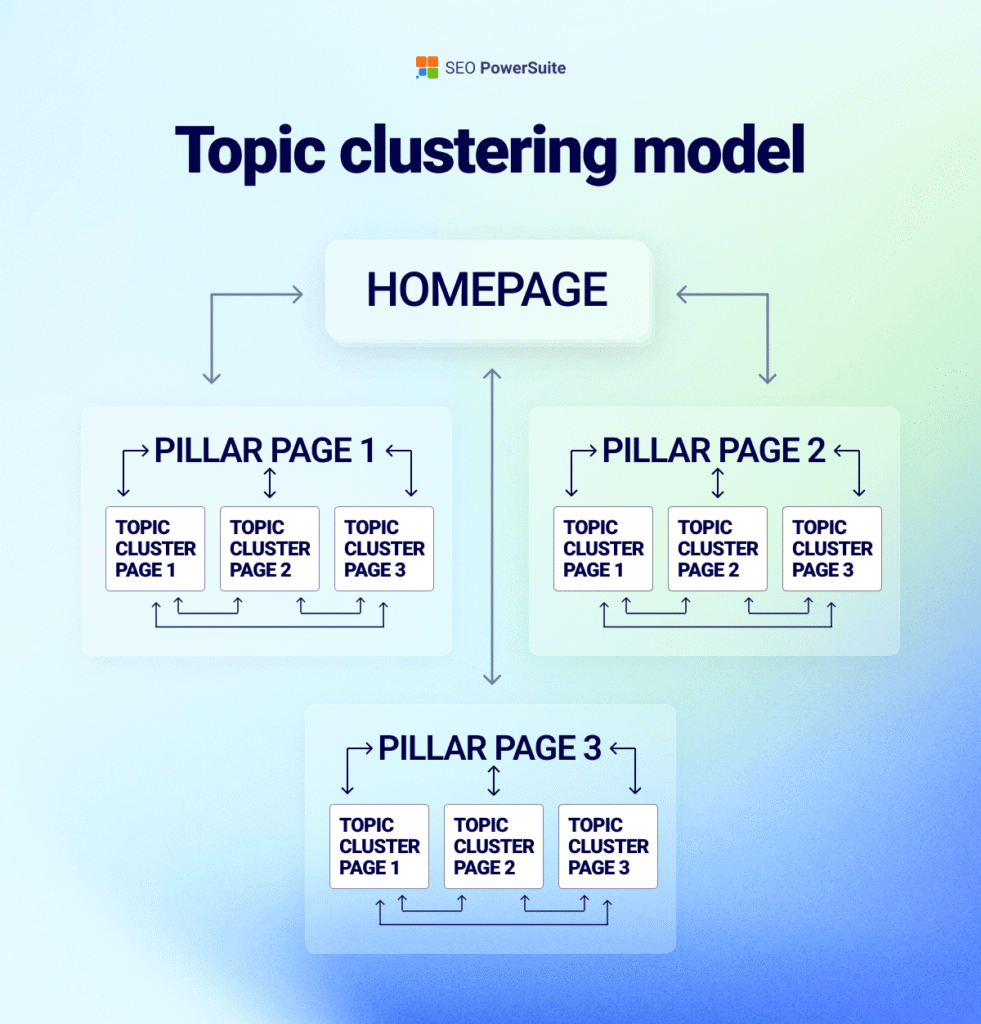
A pillar page is a comprehensive guide that covers a broad topic in depth.
For example, if your core topic is content marketing, a pillar page might include sections on:
Content planning
SEO strategy
Content distribution
Performance metrics
Pillar pages act as the foundation of topical authority.
Step 3: Build Topic Clusters
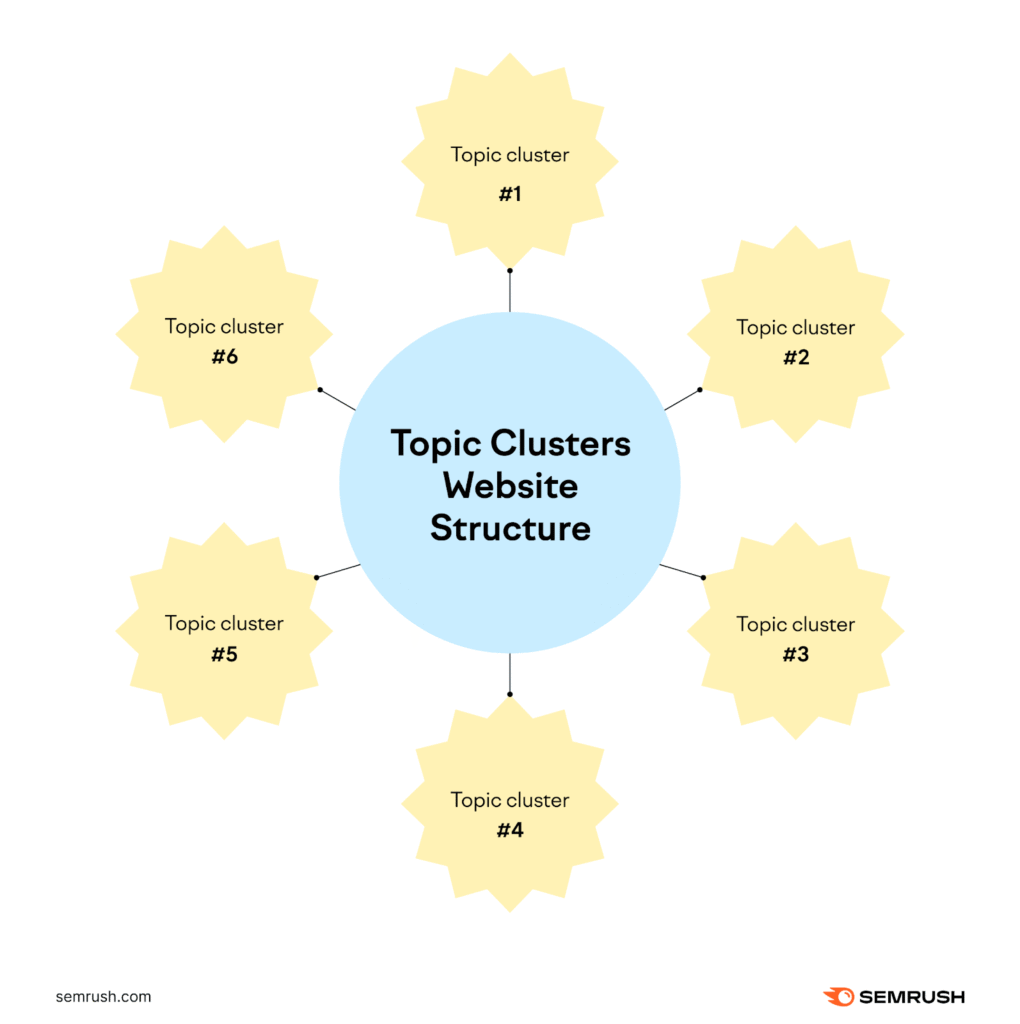
Topic clusters are supporting articles that explore subtopics related to the main pillar.
For example, if the pillar topic is content marketing, cluster articles could include:
Content marketing strategy template
Storytelling for SEO
Content marketing KPIs
Evergreen content strategy
Each article links back to the pillar page, strengthening the site’s topical relevance.
Step 4: Cover the Topic Comprehensively
To achieve strong your content should answer multiple questions within the same subject.
This includes creating:
beginner guides
advanced tutorials
practical frameworks
case studies
frequently asked questions
Comprehensive coverage helps search engines understand that your site is a reliable resource.
Step 5: Strengthen Internal Linking
Internal linking plays a crucial role in building it.
Best practices include:
linking cluster articles to pillar pages
connecting related articles together
using descriptive anchor text
This structure helps search engines understand relationships between pages.
Step 6: Update and Expand Content
SEO success depends on maintaining content relevance.
To keep building topical authority, update articles regularly by:
refreshing statistics
adding new insights
improving readability
expanding sections
Search engines reward websites that continuously improve their content.
Real Examples
Understanding topical authority becomes easier through real-world examples.
Example 1: Marketing Websites
Large marketing websites often rank highly because they cover topics comprehensively.
For example, a digital marketing website may publish dozens of articles about SEO, including:
keyword research
on-page SEO
link building
technical SEO
Because the website covers the subject deeply, search engines view it as an authoritative source.
Example 2: Niche Authority Sites
Small niche websites can also build topical authority.
For example, a website focused entirely on email marketing might create articles about:
email campaign strategies
email automation tools
email subject line optimization
email analytics
Even with fewer pages, the website becomes authoritative within its niche.
Data and Statistics Supporting
Research confirms that comprehensive content strategies improve marketing results.
Insights published by Content Marketing Institute show that organizations with structured content strategies achieve higher engagement and stronger performance.
Similarly, studies highlighted by HubSpot emphasize that businesses producing in-depth content covering entire topics tend to generate more organic traffic.
These findings reinforce the importance of building topical authority in modern content marketing.
Why Topical Authority Is the Future of SEO
Search engines are increasingly focusing on semantic understanding of content.
Instead of evaluating only keywords, algorithms analyze whether a website demonstrates expertise across a topic.
Websites with strong topical authority benefit from:
higher search rankings
greater audience trust
improved user engagement
sustainable long-term traffic growth
This shift makes topical authority one of the most important strategies in SEO today.
Common Mistakes When Building
Many websites struggle because they approach SEO incorrectly.
Common mistakes include:
publishing unrelated topics
focusing only on keywords
creating thin or low-quality content
ignoring internal linking
Successful topical authority strategies focus on depth, structure, and value.
Frequently Asked Questions
What is topical authority in SEO?
Topical authority is the level of expertise a website demonstrates on a specific subject through comprehensive content coverage and strong internal linking.
How long does it take to build topical authority?
Building topical authority can take several months depending on content quality, competition, and publishing consistency.
Is topical authority more important than keywords?
Keywords remain important, but topical authority helps websites rank for many related keywords instead of just one.
Can new websites build topical authority?
Yes. By focusing on a specific niche and consistently publishing high-quality content, new websites can build authority over time.
Final Thoughts
In modern SEO, publishing random articles is no longer enough. Search engines reward websites that demonstrate expertise, depth, and structured content strategies.
By focusing on businesses can build trust with readers, expand their keyword reach, and generate sustainable organic traffic.
Instead of chasing individual keywords, successful websites build comprehensive topic ecosystems that establish them as true authorities in their niche.
This evergreen strategy ensures that content continues to deliver value and traffic for years to come.