
Search engines have evolved far beyond simple keyword matching. Today, ranking well requires content that engages readers, answers questions clearly, and keeps users on the page longer. This is where storytelling for SEO becomes a powerful strategy.
Instead of publishing dry, keyword-focused articles, storytelling helps transform content into meaningful narratives that capture attention and guide readers through ideas. When users stay longer, interact with the page, and share the content, search engines interpret these signals as indicators of quality.
In this guide, you’ll learn how storytelling for SEO improves rankings, how to apply narrative techniques to your content, and why storytelling has become an essential part of modern SEO strategy.

What Is Storytelling for SEO?
Storytelling for SEO is a content strategy that uses narrative techniques to make search-optimized content more engaging and easier to understand. By combining storytelling with SEO best practices such as keyword targeting, structure, and internal linking, businesses can increase engagement, improve dwell time, and strengthen their chances of ranking higher in search results.
Why Storytelling for SEO Matters
Understanding storytelling for SEO becomes easier when you break it down into key benefits.
Improves user engagement and readability
Increases average time on page
Reduces bounce rate
Makes complex information easier to understand
Helps build stronger emotional connection with readers
Encourages social sharing and backlinks
These signals help search engines identify high-quality content that deserves better rankings.
How to Use Storytelling for SEO
Applying storytelling techniques to SEO content requires structure and planning. The following framework explains how to integrate storytelling into your SEO strategy.
Step 1: Start with a Relatable Problem
Every good story begins with a challenge or problem. In SEO content, this means identifying the reader’s pain point.
For example:
Instead of starting an article with statistics or definitions, begin by describing a situation your audience experiences.
Example opening:
“Many businesses publish content regularly but struggle to see meaningful traffic growth.”
This approach immediately connects with the reader.
Step 2: Introduce Context and Background
After presenting the problem, provide context that helps readers understand why the issue exists.
This stage of storytelling builds curiosity and encourages readers to continue.
For example:
Explain how search algorithms have evolved and why traditional keyword-focused writing is no longer enough.
Context helps the reader see the bigger picture.
Step 3: Provide the Solution Through Structured Content
Once the problem is clear, guide readers toward the solution.
In storytelling for SEO, the solution often appears through:
step-by-step guides
frameworks
practical strategies
Clear structure helps both readers and search engines understand the content.
Step 4: Use Examples to Make Ideas Clear
Stories become more powerful when supported by examples.
Instead of simply explaining a concept, demonstrate how it works in real situations.
Examples make abstract ideas easier to understand and remember.
Step 5: Conclude with Actionable Takeaways
Every story should end with a meaningful conclusion.
In SEO content, this means summarizing the key insights and guiding readers toward the next step.
This could include:
applying the strategy
reading related articles
exploring additional resources
Clear conclusions improve user experience and content value.
Real Examples of Storytelling for SEO.
Understanding storytelling for SEO becomes easier through practical examples.
Example 1: Educational Blog Content
A digital marketing blog explains SEO concepts using stories about real business challenges.
Instead of listing technical definitions, the article follows the journey of a small business trying to increase online visibility.
Readers relate to the situation and stay engaged throughout the article.
Example 2: Case Study-Driven Content
Many successful websites use storytelling through case studies.
For example, an article might describe how a company improved traffic by changing its content strategy.
The story includes:
the original problem
the strategy used
the results achieved
This structure makes the content both informative and persuasive.
Example 3: Narrative Tutorials
Some tutorials present information through step-by-step narratives.
Instead of simply listing instructions, the article walks readers through a scenario in which someone solves a specific problem.
This approach makes technical topics easier to understand.
Data and Statistics Supporting Storytelling in Content Marketing.
Research highlights the importance of storytelling in digital marketing.
Insights shared by Content Marketing Institute show that engaging content plays a critical role in audience retention and brand trust.
Additionally, research published by HubSpot suggests that compelling storytelling improves engagement and helps brands build stronger relationships with their audiences.
These findings reinforce the idea that narrative-driven content contributes to better marketing performance.
Why Storytelling Improves SEO Rankings
Search engines measure how users interact with content.
When storytelling techniques are used effectively, several important SEO signals improve.
These include:
longer session duration
increased scroll depth
higher content sharing
improved user satisfaction
These engagement signals tell search engines that your content provides value.

Common Mistakes When Using Storytelling for SEO
While storytelling can improve content performance, it must be balanced with SEO structure.
Common mistakes include:
focusing too much on narrative and ignoring keywords
writing overly long introductions
failing to provide actionable information
neglecting internal linking
Successful storytelling for SEO combines narrative engagement with clear structure and optimization.
Frequently Asked Questions
What is storytelling for SEO?
Storytelling for SEO is the practice of using narrative techniques in search-optimized content to improve engagement, readability, and ranking performance.
Does storytelling really improve SEO rankings?
Storytelling improves user engagement, which increases dwell time and reduces bounce rates—two signals that can indirectly support better search rankings.
Can storytelling be used in technical SEO content?
Yes. Even technical topics can benefit from storytelling by explaining concepts through relatable examples and scenarios.
How long should storytelling SEO content be?
Long-form content between 1000 and 2000 words often performs well because it allows space for narrative, examples, and detailed explanations.
Final Thoughts
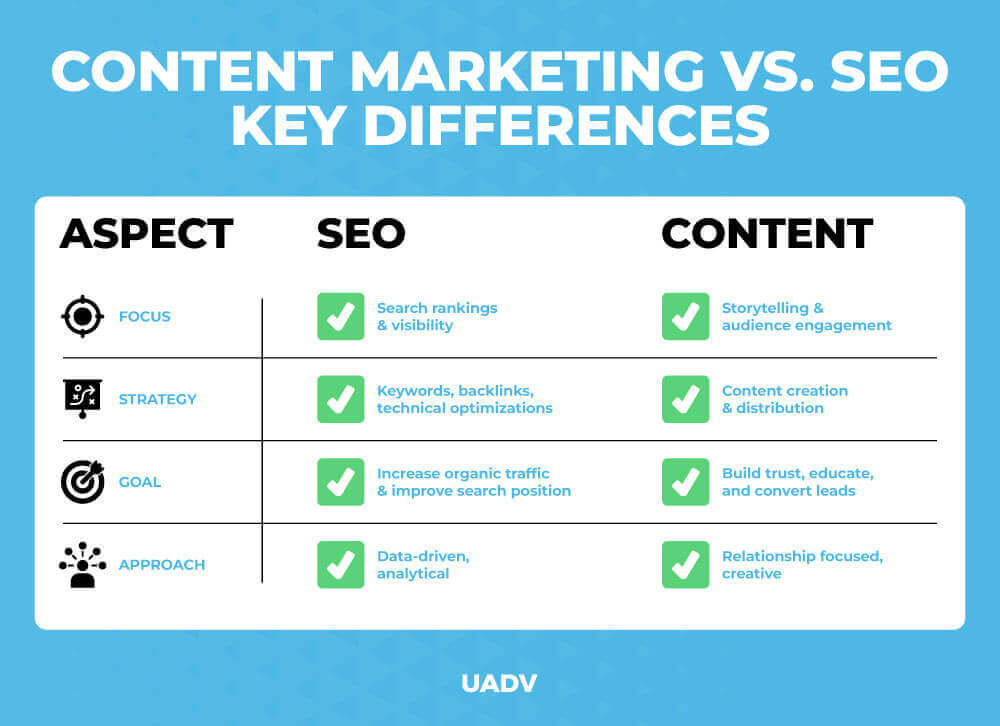
Modern search engines reward content that delivers value, clarity, and engagement. By integrating narrative techniques into your content strategy, storytelling for SEO allows you to create articles that not only rank well but also resonate with readers.
Instead of treating SEO and storytelling as separate strategies, combining them creates content that informs, engages, and performs better in search results.
When done correctly, storytelling transforms SEO content from simple information into meaningful experiences that audiences remember and share.