
Posting content every day can feel exhausting—especially when ideas run out and engagement drops. This is where a storytelling content calendar changes everything. Instead of posting random updates, you create a connected narrative that guides your audience over time.
A storytelling content calendar helps you plan 90 days of content in advance while keeping your message consistent, emotional, and strategic. It turns content creation from chaos into a clear, repeatable system.
In this guide, you’ll learn how to build a storytelling content calendar step by step and use it to plan three months of high-impact content.
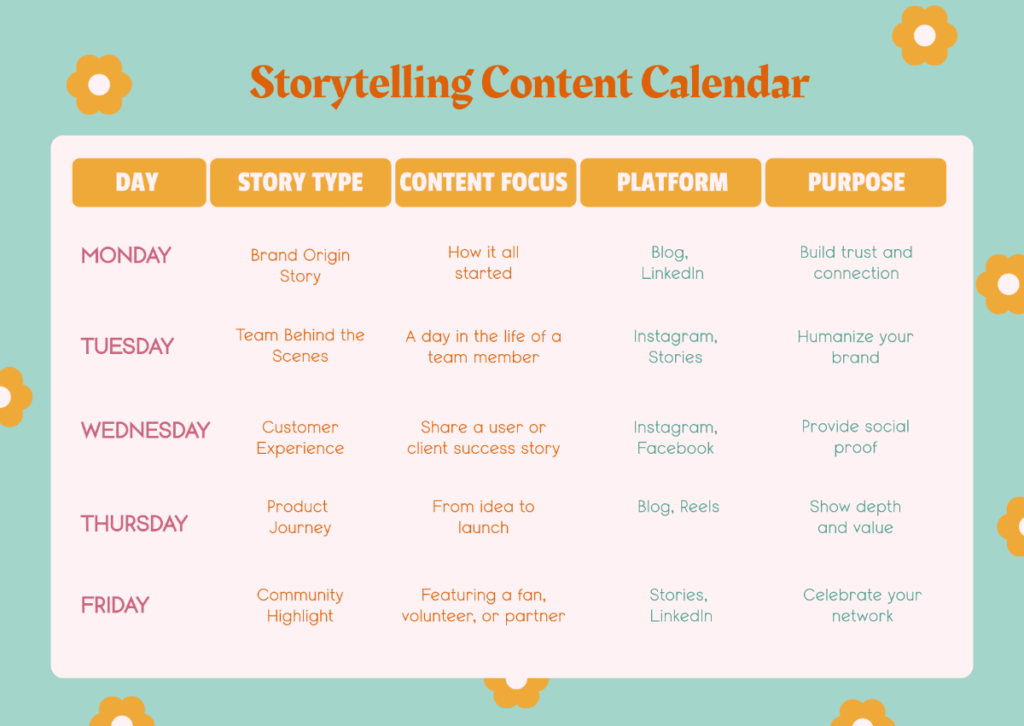
What Is a Storytelling Content Calendar?
A storytelling content calendar is a planning system that organizes content around stories instead of isolated posts. Each piece of content connects to a larger narrative and supports a clear audience journey.
Unlike traditional calendars that only focus on dates and platforms, a storytelling content calendar focuses on:
Themes
Emotions
Audience transformation
Long-term goals
It answers one important question:
What story are we telling our audience over time?
Why a Storytelling Content Calendar Matters
Many brands post consistently but still fail to build loyalty or trust. The problem isn’t effort—it’s lack of connection.
A strong storytelling content calendar helps you:
Stay consistent without burnout
Build emotional connection
Guide your audience step by step
Improve engagement and retention
Support SEO with structured content
When content feels connected, people stay longer and come back more often.
Why Plan 90 Days of Content?
Planning 90 days at once gives you strategic clarity.
Benefits of a 90-day storytelling content calendar:
Clear themes instead of scattered ideas
Enough time to build momentum
Flexibility to adjust based on results
Easier performance tracking
A 30-day plan is reactive.
A 90-day plan is intentional.
The 90-Day Storytelling Content Calendar Framework
The easiest way to plan 90 days of content is to break it into three monthly storytelling phases.
Month 1: Awareness Stories
The first 30 days focus on awareness.
Goal
Help your audience recognize their problem and feel understood.
Content Types
Educational blog posts
Industry insights
“Why” articles
Beginner guides
Story Angles
Why content feels overwhelming
Common mistakes people make
Hidden problems your audience faces
At this stage, avoid selling. Focus on empathy and clarity.
Month 2: Trust-Building Stories
Content Types
Case studies
Behind-the-scenes content
Brand or founder stories
Lessons learned
Story Angles
How challenges were overcome
What worked and what didn’t
Real experiences and results
Trust grows when your audience sees honesty and proof.
Month 3: Conversion Stories
The final 30 days focus on action.
Goal
Guide your audience toward decisions.
Content Types
Step-by-step frameworks
How-to guides
Comparison articles
Lead magnets
Story Angles
How to solve the problem
Clear next steps
Systems and processes
Conversion works best after awareness and trust are established.
Step-by-Step: How to Build a Storytelling Content Calendar
Now let’s break down the exact process.
Step 1: Define Your Core Story
Every storytelling content calendar starts with one main narrative.
Ask:
What transformation do we want our audience to experience?
Where are they now?
Where do we want to guide them?
Your story could focus on:
Growth
Confidence
Simplicity
Authority
Consistency
This core story connects everything you publish.
Step 2: Choose 3–5 Content Pillars
Content pillars are the main themes that support your story.
Example pillars:
Strategy
Education
Inspiration
Proof
Action
Each pillar produces multiple content ideas while staying aligned with the overall narrative.
Step 3: Plan Weekly Story Arcs
Instead of random posts, plan content in weekly arcs.
A simple weekly structure:
Day 1: Problem or insight
Day 2: Education or explanation
Day 3: Example or story
Day 4: Action or takeaway
This rhythm keeps your audience engaged and creates anticipation.
Step 4: Balance SEO with Storytelling
A strong storytelling content calendar blends emotion with search intent.
For each piece of content:
Choose one primary keyword
Understand what the user wants
Frame the content within a story
Example:
Keyword: “content calendar template”
Story angle: Why most content calendars fail and how to fix them
This improves both rankings and engagement.
Step 5: Decide Your Publishing Frequency
Consistency matters more than volume.
A realistic 90-day plan could include:
1 long-form blog per week
2–3 social posts per week
1 email newsletter per week
Over 90 days, this becomes:
12 blog posts
24–36 social posts
12 emails
A storytelling content calendar makes consistency manageable.
Step 6: Repurpose Each Core Story
One story can live in many formats.
From one blog post, create:
Social media captions
Email summaries
Short video scripts
Quote graphics
Carousel posts
Repurposing keeps your message consistent while saving time.
Step 7: Track Story Performance
Measure more than just views.
Track:
Engagement time
Scroll depth
Comments and shares
Email sign-ups
Conversions
If certain stories perform better, expand on similar themes in the next cycle.
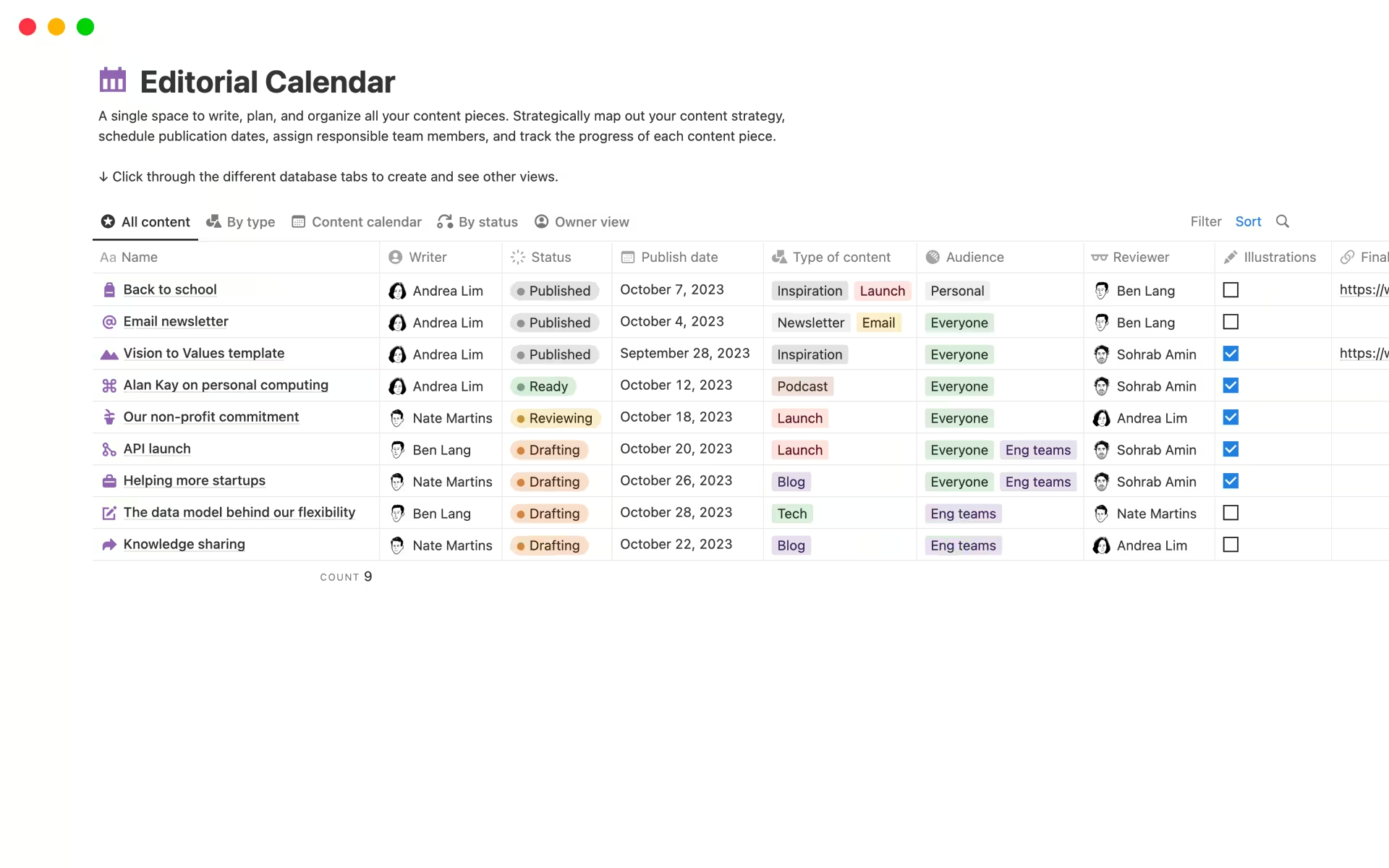
Example 90-Day Storytelling Content Calendar
Month 1 – Awareness
Why consistency matters
Common content mistakes
The cost of random posting
Understanding audience pain points
Month 2 – Trust
Behind-the-scenes planning process
Case study results
Lessons learned from failure
Framework breakdown
Month 3 – Conversion
90-day content planning guide
Storytelling content calendar template
How to scale content systems
Final strategy checklist
This structure creates flow instead of randomness.
Common Mistakes to Avoid
When building a storytelling content calendar, avoid:
Planning only one week ahead
Posting without a clear narrative
Ignoring SEO research
Jumping between unrelated topics
Focusing only on sales content
Structure creates creative freedom.
How a Storytelling Content Calendar Improves SEO
Search engines reward:
Topical consistency
Internal linking
Content depth
User engagement
A storytelling content calendar helps you build topic clusters naturally, which improves rankings and authority over time.
When users stay longer and engage more, SEO improves automatically.
Final Thoughts
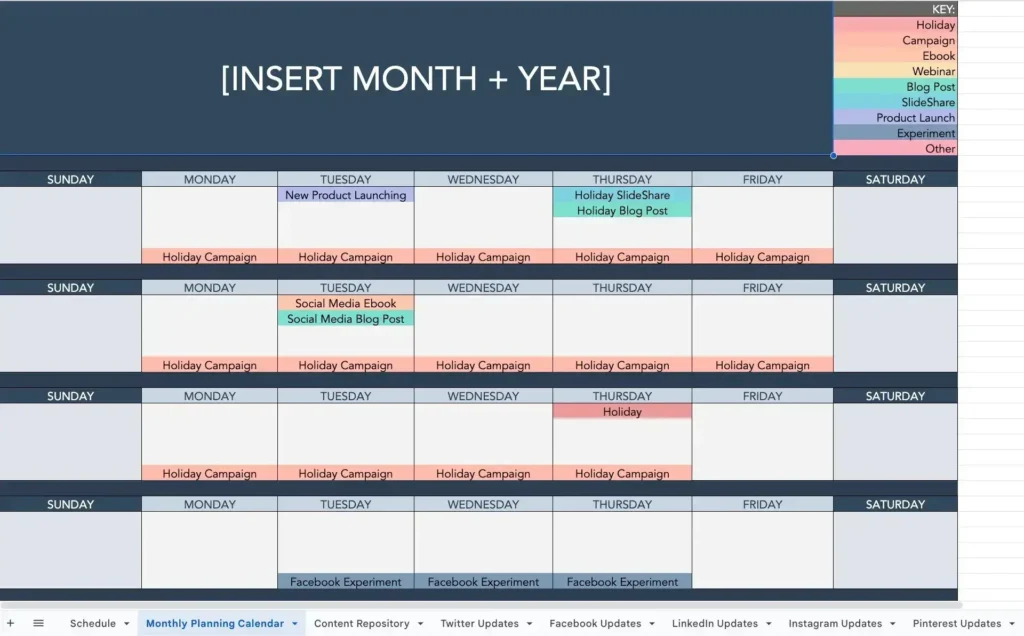
A storytelling content calendar turns content into a journey instead of isolated posts. By planning 90 days in advance, you gain clarity, consistency, and confidence.
With the right structure, you:
Reduce stress
Stay creative
Build trust
Improve SEO
Drive meaningful action
Instead of chasing trends, you tell a story your audience wants to follow.
A storytelling content calendar is not about creating more content—it’s about creating content that matters.