
In today’s competitive digital landscape, publishing informative blog posts is no longer enough to capture attention. Readers are exposed to thousands of articles every day, which makes it difficult for brands to stand out. This is where brand storytelling becomes a powerful content marketing strategy.
Instead of writing generic informational articles, brands can use storytelling techniques to create meaningful narratives that connect with readers. Brand storytelling helps transform ordinary blog posts into engaging experiences that communicate a brand’s mission, values, and perspective.
In this guide, we will explore how brand storytelling works, why it is important for modern content marketing, and how businesses can turn simple blog posts into memorable brand stories.

What Is Brand Storytelling?
Brand storytelling is a marketing strategy that uses narrative techniques to communicate a brand’s mission, values, and identity through content. Instead of focusing only on information, brand storytelling creates relatable narratives that connect emotionally with audiences, making content more memorable and helping brands build stronger relationships with readers.
Why Brand Storytelling Matters
Understanding brand storytelling becomes easier when we look at the main benefits.
Builds emotional connections with audiences
Makes content more memorable
Strengthens brand identity
Improves audience engagement
Encourages social sharing and discussion
Supports long-term content marketing strategies
When blog posts include storytelling, they become more than informational content—they become part of the brand experience.
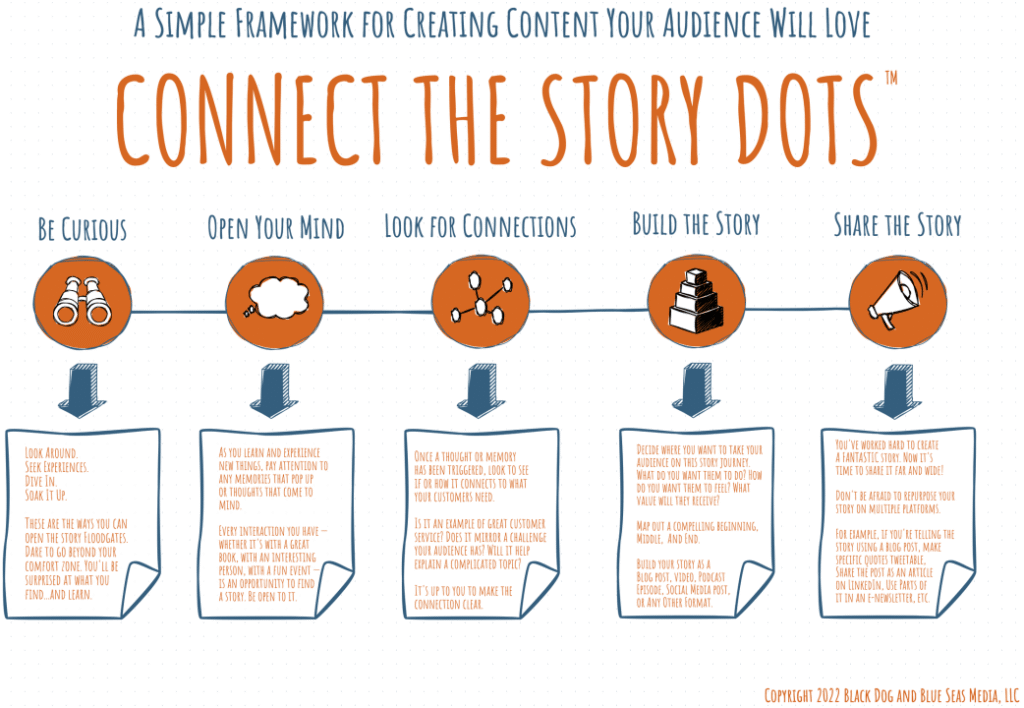
Step-by-Step Framework: How to Use Brand Storytelling in Blog Posts
Creating story-driven blog posts requires structure. The following framework shows how to apply brand storytelling effectively.
Step 1: Start with a Relatable Situation
Every story begins with a situation that readers recognize.
Instead of opening a blog post with definitions or statistics, describe a scenario that reflects your audience’s experience.
For example:
“Many businesses publish blog posts regularly but struggle to make their content memorable.”
This approach immediately captures attention and encourages readers to continue
Step 2: Introduce the Challenge
After presenting the situation, explain the challenge or conflict.
In content marketing, this could be:
low engagement with blog posts
difficulty standing out in search results
lack of connection with readers
Introducing a challenge builds curiosity and keeps readers engaged.
Step 3: Reveal the Insight
The next stage of brand storytelling is the discovery moment. This is where readers learn something new.
For example, the insight may be that storytelling helps transform ordinary content into meaningful brand communication.
This stage connects the narrative with the topic of the article.
Step 4: Present the Solution
Once the challenge and insight are clear, guide readers toward the solution.
In the case of brand storytelling, the solution may involve:
structuring blog posts as narratives
sharing real experiences
highlighting brand values
using storytelling frameworks
This stage provides actionable value.
Step 5: Reinforce the Brand Perspective
Story-driven blog posts should always connect back to the brand.
This can include:
lessons learned from experience
brand mission and purpose
unique insights or strategies
When readers understand a brand’s perspective, they are more likely to trust it.
Real Examples of Brand Storytelling in Content Marketing
Understanding brand storytelling becomes clearer when we examine real examples.
Example 1: Marketing Agency Blog
A marketing agency publishes a blog about improving SEO performance. Instead of listing technical tips, the article follows the story of a small business trying to increase website traffic.
The blog explains:
the problem the business faced
the strategies implemented
the results achieved
This narrative format makes the content engaging and memorable.
Example 2: Startup Founder Story
A startup blog shares how the founders struggled with early marketing challenges before discovering effective strategies.
The blog includes:
the initial challenges
mistakes made along the way
lessons learned
Readers appreciate the authenticity of the story.
Example 3: Educational Blog with Narrative
Even educational content can include storytelling.
For example, a blog about content marketing frameworks may describe how a company improved its content performance after restructuring its blog strategy.
Narrative examples make complex ideas easier to understand
Data and Statistics Supporting Brand Storytelling
Research highlights the importance of storytelling in marketing.
Studies shared by Content Marketing Institute show that engaging and valuable content significantly improves audience engagement and brand trust.
Similarly, insights from HubSpot indicate that storytelling helps brands create stronger emotional connections with audiences.
These findings reinforce the effectiveness of brand storytelling in modern content marketing.

Why Brand Storytelling Improves Content Performance
Search engines increasingly measure how users interact with content.
Story-driven blog posts often improve:
average time on page
scroll depth
user engagement
social sharing
These signals help search engines recognize high-quality content.
Common Mistakes in Brand Storytelling
While storytelling can transform content, it must be used strategically.
Common mistakes include:
focusing too much on narrative without practical insights
writing long introductions that delay useful information
ignoring SEO structure
failing to connect the story with the brand
Successful brand storytelling balances narrative engagement with informative value.
Frequently Asked Questions
What is brand storytelling in marketing?
Brand storytelling is the use of narrative techniques to communicate a brand’s mission, values, and message through engaging content.
Why is brand storytelling important?
It helps brands connect emotionally with audiences, making content more memorable and improving engagement.
Can storytelling improve SEO performance?
Yes. Story-driven content often improves engagement metrics such as time on page and user interaction, which support stronger search performance.
How can businesses use brand storytelling in blogs?
Businesses can incorporate storytelling by starting with relatable situations, describing challenges, sharing insights, and connecting the narrative with their brand perspective.
Final Thoughts
In modern content marketing, simply publishing informational articles is not enough to capture attention. Readers want content that feels meaningful, relatable, and authentic.
By using brand storytelling, businesses can transform ordinary blog posts into engaging narratives that reflect their mission and values.
When storytelling and strategy work together, blog content becomes more memorable, builds stronger audience relationships, and supports long-term marketing success.