
A strong brand storytelling content strategy is essential for businesses that want to stand out in a crowded digital market. Instead of publishing random content, brands need a clear framework that connects storytelling, SEO, and long-term content planning.
This guide brings together everything you need to build a modern content marketing system—from brand story frameworks and content pillars to storytelling calendars, SEO narratives, and evergreen strategies.
How to Build a Brand Storytelling Content Strategy Step-by-Step
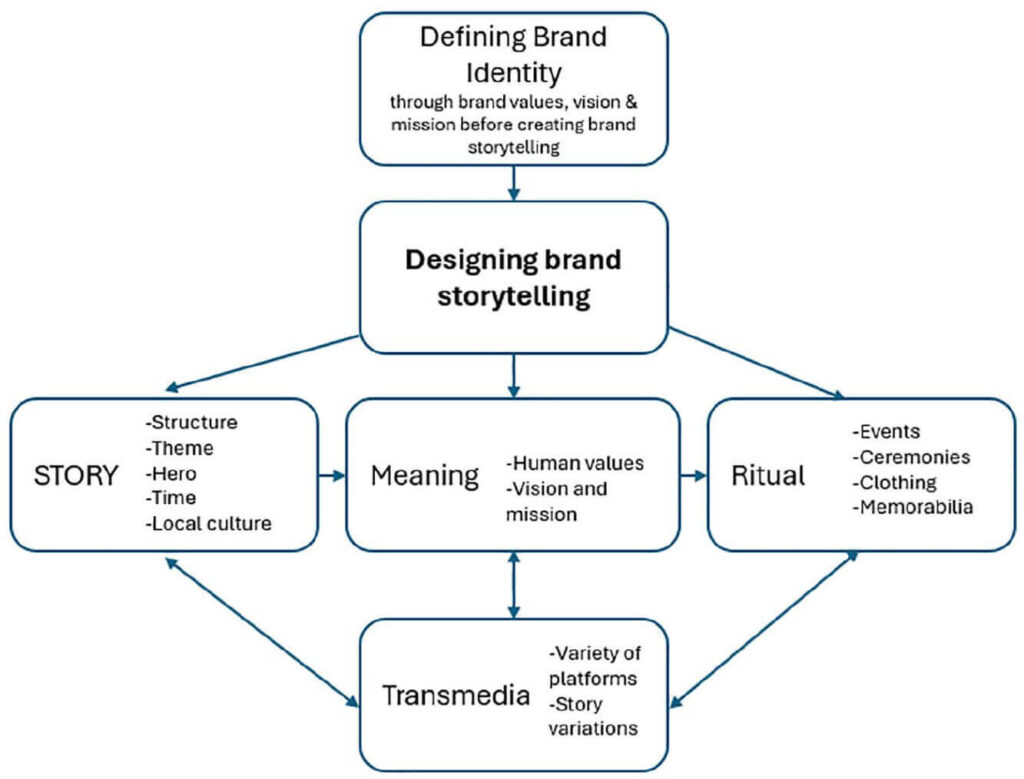
A brand story framework is the foundation of all your content. It defines who you are, why you exist, and how you communicate.
Step 1: Define Your Core Purpose
Start by answering one simple question:
Why does your brand exist beyond making money?
Your purpose should connect to a real problem your audience faces.
Step 2: Identify the Main Character
In modern storytelling, your customer is the hero, not your brand.
Your brand plays the role of the guide that helps the hero succeed.
Step 3: Clarify the Conflict
Every story needs tension. Identify the main challenge your audience struggles with:
Confusion
Lack of time
Fear of failure
Poor results
Step 4: Present the Transformation
Show how life improves after using your product, service, or idea. Focus on outcomes, not features.
Step 5: Create a Clear Message
Your brand story should be explainable in 2–3 sentences. If it’s too complex, it won’t scale across content.
A clear brand story ensures every blog, video, or post sounds connected.
Brand Storytelling Content Strategy and SEO Growth
A content strategy is not about posting more—it’s about posting with intention.
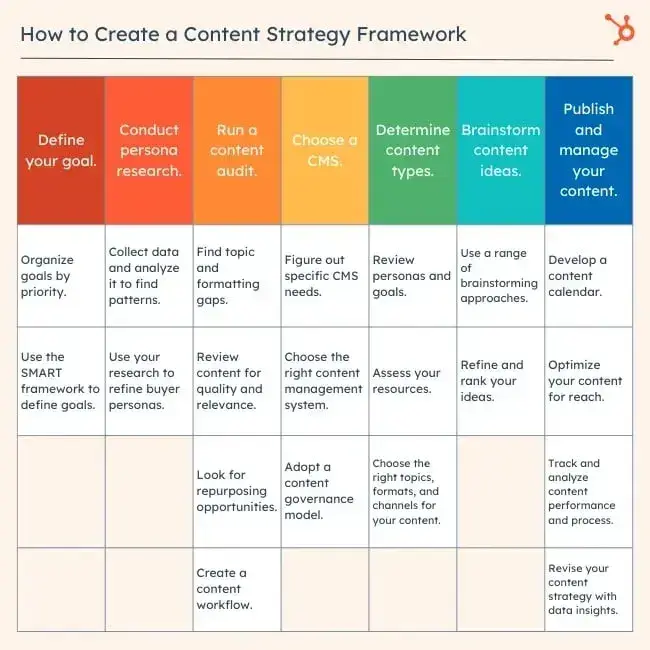
Core Elements of a Strong Content Strateg
1. Audience Definition
Know exactly who you’re creating content for and what stage they’re in.
2. Content Goals
Each piece should support one main goal:
Awareness
Traffic
Engagement
Leads
Authority
3. Distribution Channels
Decide where content lives:
Blog
Email
Social platforms
Search engines
4. Content Types
Mix formats for better reach:
Educational
Story-driven
How-to guides
Case studies
Opinion pieces
This template ensures your content supports business growth instead of random posting
Measuring Results in a Brand Storytelling Content Strategy
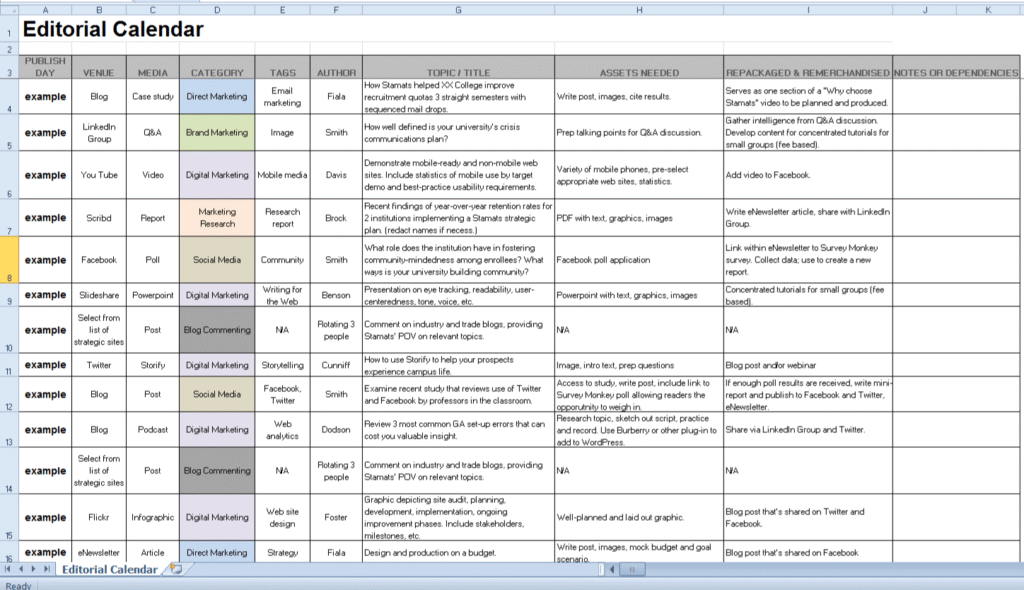
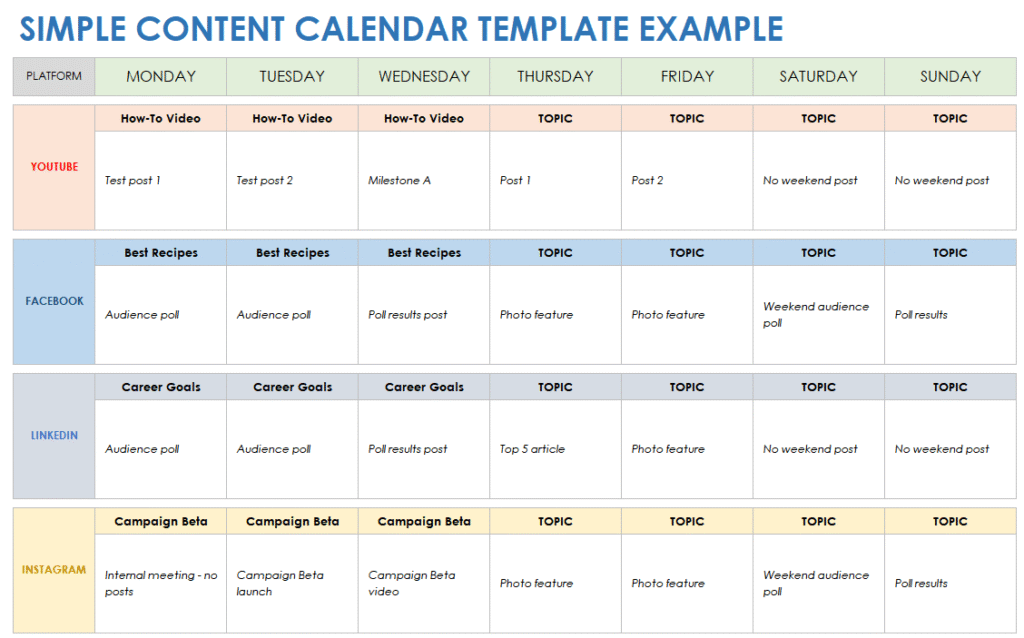
A storytelling calendar keeps your brand consistent and avoids burnout.
Why 90 Days Works Best
Long enough to see patterns
Short enough to stay flexible
Prevents last-minute content stress
Simple 90-Day Storytelling Structure
Month 1: Awareness Stories
Problem-focused blogs
Educational posts
Industry insights
Month 2: Trust-Building Stories
Behind-the-scenes content
Brand journey stories
Customer experiences
Month 3: Conversion Stories
Case studies
How your solution works
Success transformations
Each week should balance:
1 educational post
1 story-based post
1 SEO-focused post
This keeps your content human and discoverable at the same time
How to Build a Content Pillar Strategy That Drives Traffic
What Are Content Pillars?
They are broad themes your brand wants to be known for.
For example:
Brand storytelling
Content marketing strategy
SEO and growth
Audience building
How Pillars Drive Traffic
Each pillar includes:
One main pillar page
Multiple supporting blog posts
Internal linking between them
This structure:
Improves SEO
Builds topical authority
Keeps users on your site longer
Search engines prefer depth, not scattered topics.
Brand Voice vs Brand Story: What’s the Difference?
These two are often confused, but they serve different roles.
Brand Story
What you say
Your message, mission, and meaning
The narrative behind your brand
Brand Voice
How you say it
Tone, language, and personality
Consistency in communication
You can tell the same story with different voices, but without a story, voice feels empty.
Strong brands align both:
Clear story
Consistent voice
Content Marketing KPIs That Actually Matter
Vanity metrics look good but don’t always reflect growth.
KPIs That Truly Matter
1. Organic Traffic Growth
Shows if your content is discoverable.
2. Engagement Metrics
Time on page
Scroll depth
Comments and shares
3. Conversion Actions
Email signups
Downloads
Contact forms
4. Content-Assisted Conversions
Some content doesn’t convert directly but supports the journey.
Measure what supports long-term growth, not just quick wins.
Storytelling for SEO: How Narrative Improves Rankings
SEO is no longer just about keywords—it’s about user experience.
Why Storytelling Helps SEO
Keeps users reading longer
Reduces bounce rate
Encourages natural internal linking
Improves content depth
Search engines reward content that satisfies users, not just algorithms.
How to Blend Storytelling with SEO
Start with a relatable hook
Use keywords naturally in context
Structure content with clear sections
End with meaningful takeaways
Stories turn dry information into engaging experiences.
riences.
Evergreen Content Strategy for Long-Term Use
Evergreen content works for you months or years after publishing.
What Makes Content Evergreen?
Not tied to trends or dates
Solves ongoing problems
Can be updated easily
Examples of Evergreen Content
Frameworks
Step-by-step guides
Tutorials
Strategic explainers
How to Maintain Evergreen Content
Update statistics annually
Refresh examples
Improve internal links
Evergreen content builds compounding traffic and authority over time.
How Everything Fits Together
Here’s how the full system works:
Brand story defines your message
Content strategy defines your plan
Content pillars define your structure
Storytelling calendar defines consistency
SEO storytelling drives discoverability
Evergreen content ensures longevity
When these pieces align, content becomes a growth asset—not a chore.
Final Thoughts
In the end, a well-defined brand storytelling content strategy helps businesses create meaningful connections, improve search visibility, and build long-term authority.
Successful content marketing is not about chasing trends or publishing endlessly. It’s about clarity, consistency, and connection.
A strong brand story supported by a clear content framework allows you to:
Build trust
Improve rankings
Create meaningful engagement
Drive long-term results
When storytelling and strategy work together, content stops feeling like noise—and starts becoming a competitive advantage.
[…] strong brand story framework doesn’t just attract attention — it builds long-term […]