
Brand Story Framework: A Step-by-Step Guide to Build a Strong Brand Narrative
In a world full of ads, posts, and promotions, people don’t remember brands for their features — they remember them for their stories. That’s why building a clear and consistent brand story framework is one of the most important parts of modern marketing.
A brand story framework helps you explain who you are, what you stand for, and why your audience should trust you. Instead of random messaging, your brand communicates with purpose, clarity, and emotion across every platform.
This guide will walk you through how to create a brand story framework step by step, in simple language, so you can use it for content marketing, SEO, social media, and long-term brand growth.
What Is a Brand Story Framework?
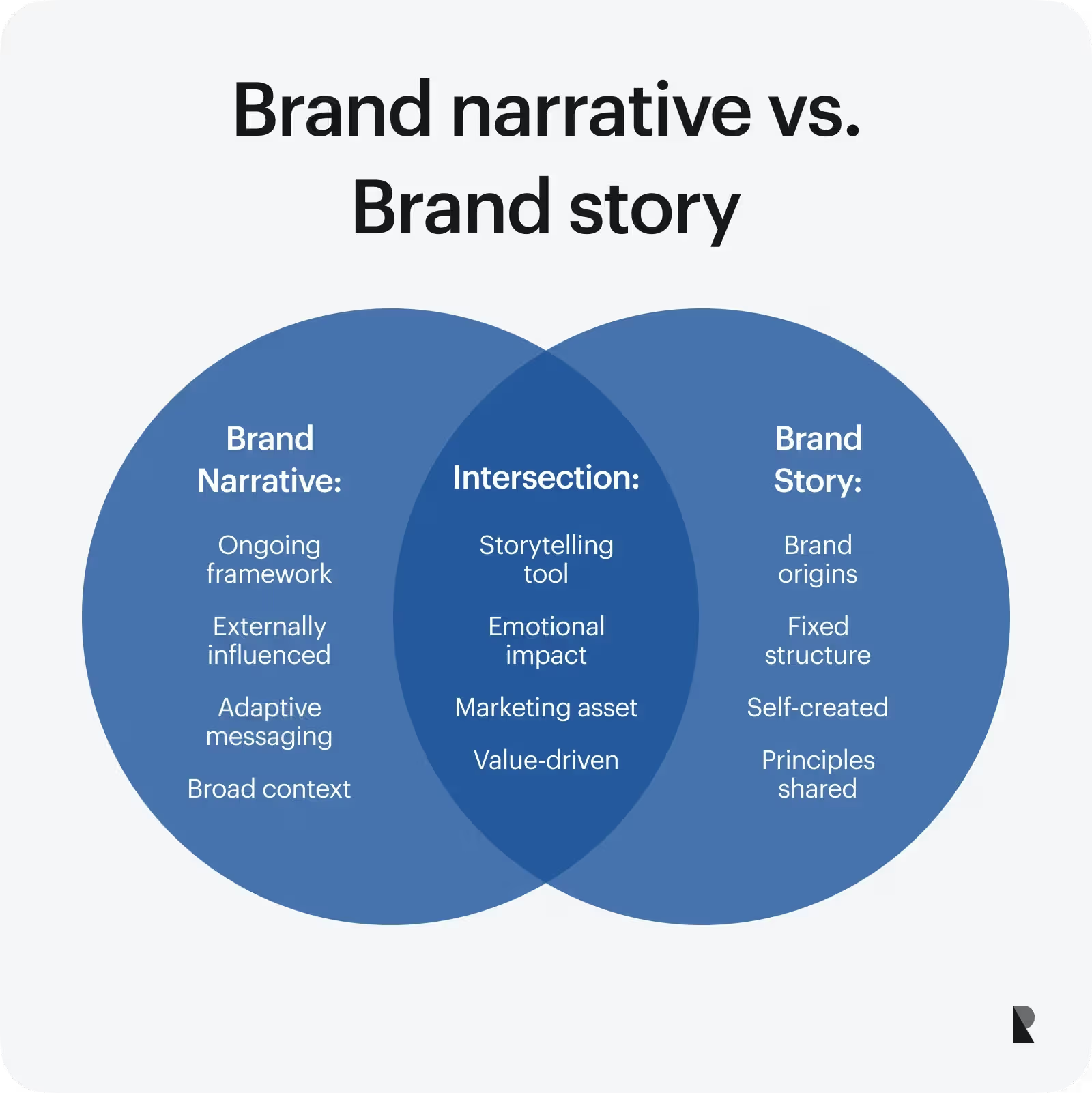
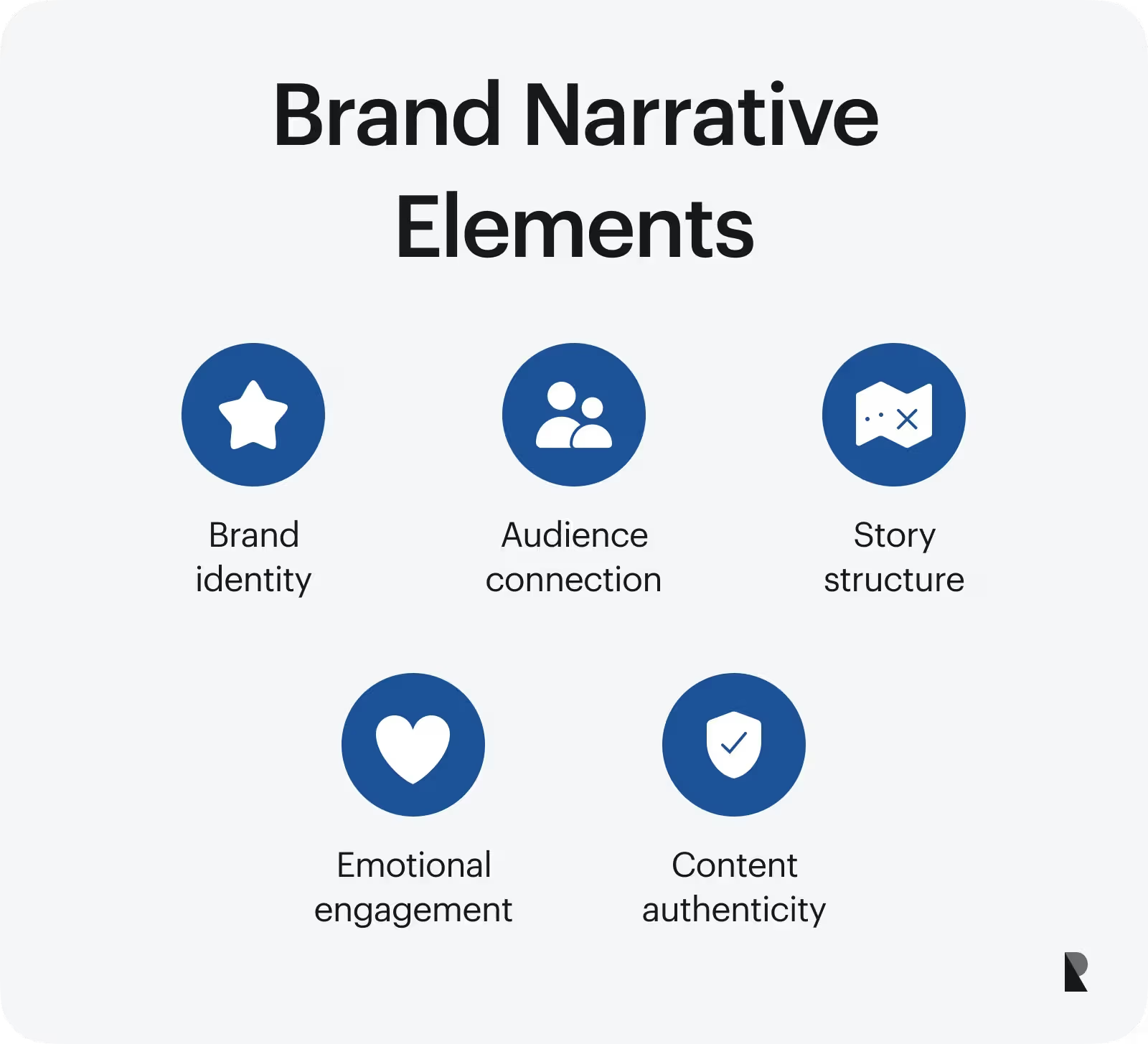
A brand story framework is a structured way to tell your brand’s story. It connects your purpose, audience, values, and message into one clear narrative.
It answers key questions:
Who is your brand for?
What problem does your brand solve?
Why does your brand exist?
How does your brand improve your customer’s life?
Without a framework, storytelling becomes inconsistent. With a framework, every piece of content sounds like it comes from the same voice and vision.
Why a Brand Story Framework Is Important
Before creating content or campaigns, you need clarity. A strong brand story framework helps you:
Build emotional connection with your audience
Create consistent content across platforms
Stand out from competitors
Improve trust and credibility
Support SEO and content strategy
Brands that tell clear stories don’t just sell products — they build relationships.
Step 1: Define Your Brand Purpose
Every strong brand story framework starts with purpose.
Ask yourself:
Why does our brand exist beyond making money?
What problem do we genuinely care about?
What change do we want to create?
Your purpose should feel human and meaningful. Avoid corporate language. Speak in a way your audience understands and relates to.
A clear purpose becomes the foundation of your entire brand story.
Step 2: Identify Your Audience (The Real Hero)
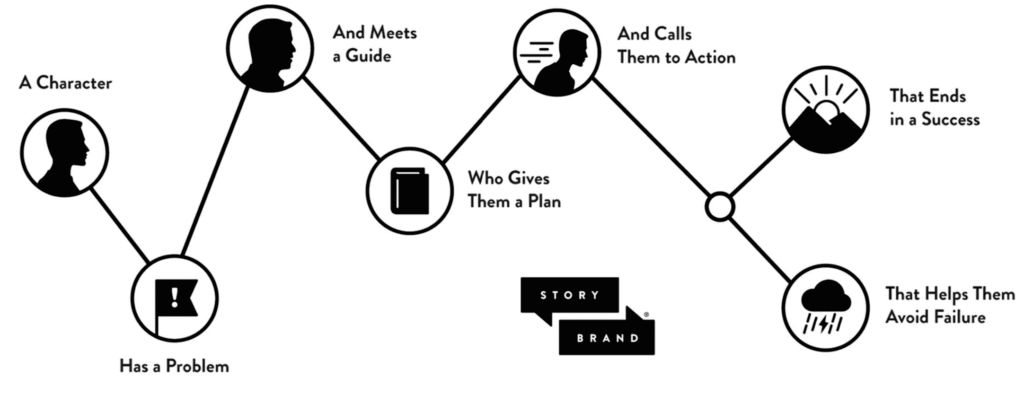
In a good brand story framework, your customer is the hero, not your brand.
To define your audience clearly, understand:
Their goals
Their struggles
Their fears
Their desires
The more specific you are, the stronger your story becomes. When people see themselves in your message, they pay attention.
Step 3: Define the Core Problem or Conflict
Every story needs conflict. In branding, conflict is the main problem your audience faces.
This could be:
Confusion
Lack of time
Limited resources
Fear of failure
Poor results
Your brand story framework should clearly name this problem. When your audience feels understood, trust begins to form.
Step 4: Position Your Brand as the Guide
Your brand is not the hero — it is the guide.
In a strong brand story framework, your brand:
Provides clarity
Offers expertise
Gives tools or solutions
Helps the hero succeed
Brands that position themselves as helpers feel supportive, not salesy. This makes your messaging more authentic and effective.
Step 5: Show the Transformation
Transformation is the heart of storytelling.
Explain clearly:
What life looks like before your solution
What life looks like after your solution
Focus on outcomes and emotions, not just features.
People don’t buy products — they buy better outcomes and better versions of themselves.
Step 6: Define Your Brand Values
Your values guide how your brand behaves and communicates.
A strong brand story framework includes values that answer:
What do we stand for?
What do we believe in?
What will we never compromise on?
Values should show up naturally in your content, tone, and decisions — not just on a website page.
Step 7: Clarify Your Brand Voice
Your brand story needs a consistent voice.
Your brand voice defines how you speak:
Friendly or professional?
Bold or calm?
Simple or expressive?
Once defined, your voice should stay consistent across:
Blog posts
Social media
Emails
Ads
Consistency builds familiarity, and familiarity builds trust.
Step 8: Create a Simple Brand Story Statement
Now combine everything into a short statement.
A simple formula:
We help [audience] overcome [problem] so they can achieve [desired result].
This statement becomes the backbone of your brand story framework and guides all your messaging.
Step 9: Apply the Brand Story Framework Across Content
A brand story framework only works if you use it everywhere.
Apply it to:
Website copy
Blog content
Social media captions
Video scripts
Marketing campaigns
When every piece of content reinforces the same story, your brand becomes recognizable and memorable.
Step 10: Review and Refine Your Brand Story Framework
A brand story framework is not fixed forever.
Review and refine it:
Once a year
When your audience changes
When your offerings expand
Strong brands evolve while staying true to their core story.
Common Mistakes to Avoid
When building a brand story framework, avoid:
Making your brand the hero
Using vague or generic language
Copying competitors’ stories
Being inconsistent across platforms
Overcomplicating your message
Clarity is always more powerful than complexity.
How a Brand Story Framework Supports SEO
Story-driven content improves SEO because it:
Keeps users engaged longer
Reduces bounce rate
Encourages internal linking
Builds topical authority
Search engines reward content that satisfies users. A clear brand story framework helps you create content people actually want to read.
Brand Story Framework vs Brand Voice
Many people confuse these two.
Brand story framework = what you say
Brand voice = how you say it
You need both. A strong story without a clear voice feels flat, and a strong voice without a story feels empty.
Final Thoughts
A clear brand story framework gives your brand direction, consistency, and meaning. Instead of guessing what to post or say, you communicate with confidence and purpose.
When your story is clear:
Content becomes easier to create
Marketing feels more authentic
SEO improves naturally
Trust grows over time
A strong brand story framework doesn’t just attract attention — it builds long-term connection.