
If you want to write content for AI search, you need more than just keywords. Today, AI tools like ChatGPT and Google SGE are changing how content is ranked and displayed.
But here’s the problem
Most beginners try to write content and end up sounding robotic.
Their content feels:
- Too formal
- Over-optimized
- Hard to read
The truth is simple:
If your content doesn’t sound human, it won’t perform well — even in AI search.
In this guide, you’ll learn how to write content without sounding robotic, using simple, practical steps.

Why You Must Write Content for AI Search in a Natural Way
When you write content your goal is not just ranking — it’s helping users quickly and clearly.
AI systems prefer content that is:
- Easy to understand
- Well-structured
- Helpful and direct
That’s why robotic writing fails.
What Happens When You Write Content for AI Search the Wrong Way
If you:
- Stuff keywords
- Use complex language
- Ignore readability
Then:
- Readers leave quickly
- AI tools don’t trust your content
- Rankings drop
In short: Bad writing = bad results
How to Write Content for AI Search Using Simple Language
The first rule to write content is simple:
Write like a human, not a machine
Use Conversational Language When You Write Content for AI Search
Bad example
“Implement advanced strategies to optimize AI-driven content performance”
Good example
“Use simple tips to improve your content”
✔ Keep sentences short
✔ Avoid jargon
✔ Make it easy to read
How to Use Keywords Naturally When You Write Content for AI Search
Keywords still matter — but the way you use them has changed.
Place Your Keyphrase Naturally
To properly write content, include your focus keyphrase in:
- Title
- First paragraph
- H2 headings
- H3 headings
- Conclusion
But don’t force it.
Bad
“Write content for AI search write content for AI search…”
Good
“If you want to write content, focus on clarity and usefulness.”
How to Write Content for AI Search Based on User Intent
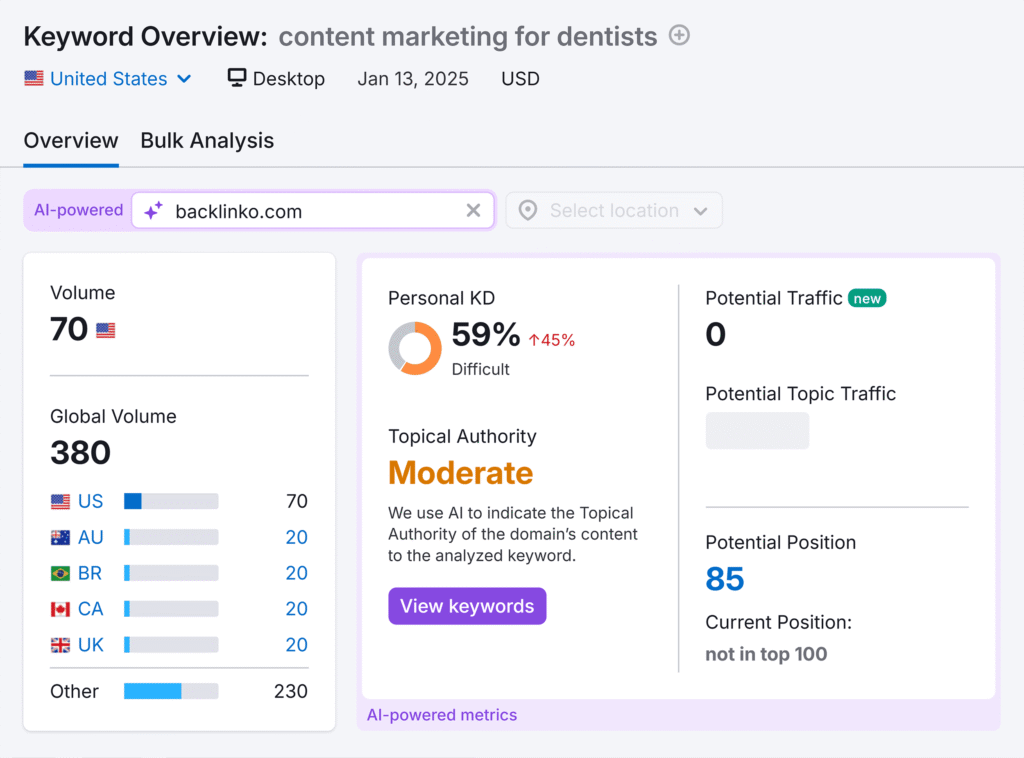
Understanding intent is key.
When you write content, ask:
“What does the user really want?”
Types of Intent You Must Consider
- Informational (learn something)
- Navigational (find something)
- Transactional (buy something)
Most blog posts = informational intent
✔ Give clear answers
✔ Avoid unnecessary fluff
How to Structure Content for AI Search Without Sounding Robotic
Structure makes a huge difference.
When you write content, organize it like this:
Use Headings When You Write Content
- H1 → Main topic
- H2 → Main sections
- H3 → Sub-points
This helps:
- AI understand your content
- Readers scan easily
How to Write Content for AI Search That Sounds Human
This is where most people fail.
To write content naturally:
Add Personality When You Write Content
Use:
- “you”
- “we”
- simple tone
Example:
“Honestly, most people overthink SEO. Keep it simple.”
✔ Sounds real
✔ Builds trust
How to Write Content for AI Search Using Examples
Examples make your content feel real.
Add Real Examples When You Write Content for AI Search
Instead of saying:
“Write engaging content”
Say:
“Start with a question like: ‘Struggling to rank your blog?’”
✔ Easier to understand
✔ More engaging
Common Mistakes
Let’s fix the biggest errors
Mistakes That Make Content Robotic
- Keyword stuffing
- Long, complex sentences
- No clear structure
- No human tone
Fix These Mistakes When You Write Content for AI Search
✔ Keep it simple
✔ Use natural keywords
✔ Break content into sections
Tools That Help You Write Content for AI Search
You can use tools, but don’t depend on them completely.
Helpful tools include:
- Grammarly
- Surfer SEO
- ChatGPT
✔ Use tools for support
✔ Not for full writing
How to Edit Content for AI Search Without Losing Human Tone
Editing is where magic happens.
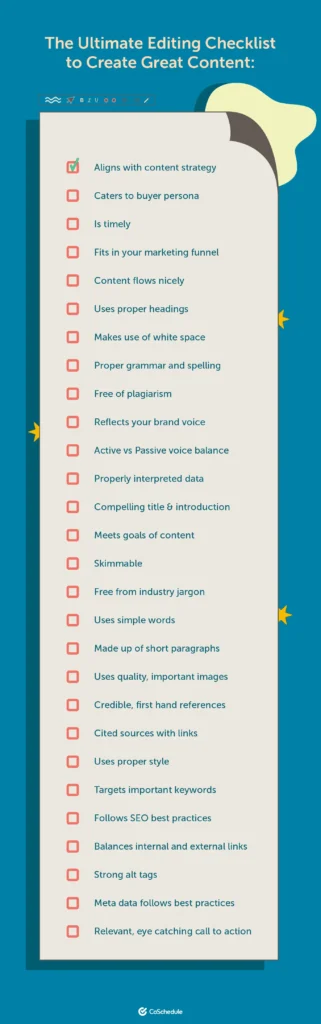
Editing Checklist to Write Content
Ask yourself:
- Does this sound natural?
- Is it easy to read?
- Would a beginner understand it?
✔ Read out loud
✔ Remove robotic phrases
Image Suggestions (with ALT Text)
- Image: Person writing blog
ALT: write content example - Image: SEO structure diagram
ALT: how to structure content - Image: human vs AI writing
ALT: difference between robotic and human writing
Conclusion
If you truly want to write content, remember this:
Don’t try to sound smart
Try to be clear
The best content is:
- Simple
- Helpful
- Human
AI is getting smarter — but it still prefers content that feels real.